

Dietitians highlight simple, everyday foods that support brain function and may help safeguard cognitive health as you age.
Eating brain-healthy foods daily can enhance focus, uplift mood, and support long-term cognitive function.
A diet packed with colorful fruits and vegetables, fatty fish, nuts, and olive oil helps strengthen memory and protect brain cells.
The key is consistency—small, everyday habits, like adding leafy greens or fermented foods, can lead to meaningful improvements over time.
If you want to support your brain—both now and in the years ahead—your diet plays a crucial role. Despite all the hype around “superfoods” and supplements, nutrition experts say the real key is much simpler: regularly eating everyday foods that nourish the brain.
To understand this better, we asked two dietitians to highlight the most effective brain-boosting foods to include in your meals and explain why they matter. They also emphasized that your overall eating pattern is far more important than any single food.
Research on dietary patterns such as the Mediterranean and MIND diets consistently shows that a diet rich in colorful fruits and vegetables, beans, fish, whole grains, nuts, and olive oil is linked to better long-term cognitive health. So instead of focusing on individual foods, think of these as part of a balanced, brain-healthy plate.
Top Brain-Boosting Foods to Include in Your Diet
Berries
They may be small, but berries pack a powerful punch for brain health. They’re rich in anthocyanins—plant compounds associated with slower cognitive decline—as well as other polyphenols that help shield brain cells from oxidative stress.
“Colorful foods like berries and leafy greens provide antioxidants that help protect brain cells,” says Dawn Jackson Blatner, RDN, CSSD, sports nutritionist and author of The Superfood Swap. These nutrients may also promote healthy blood flow to the brain, which is essential for memory and overall cognitive performance.
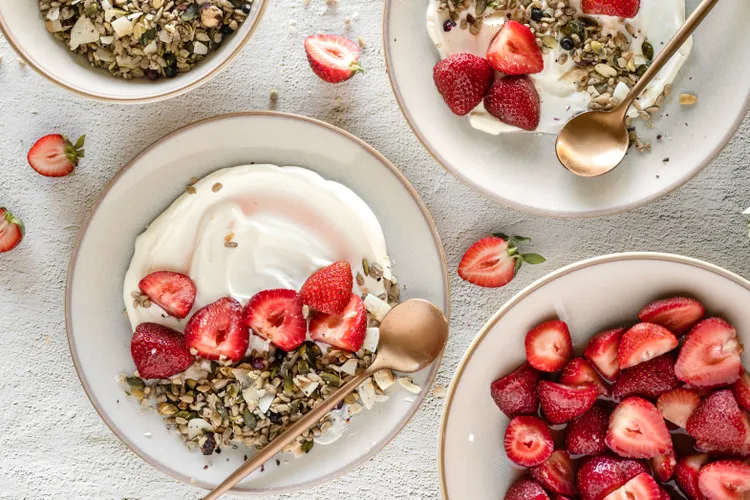
You can easily enjoy berries by adding them to yogurt, blending them into smoothies, or sprinkling them over oatmeal.
Leafy Greens
Spinach, kale, arugula, and other leafy greens are frequently highlighted in research on healthy cognitive aging. They’re packed with folate, vitamin K, and antioxidants that help support brain function over time. Blatner includes leafy greens among the foods that consistently show benefits for maintaining a healthy brain as we age.
Richter adds that colorful vegetables in general play an important role in brain protection. “The natural pigments that give plants their color often act as powerful antioxidants, helping protect brain cells and support healthy blood flow,” she explains.
A simple way to increase your intake is by adding a handful of greens to salads, smoothies, or eggs.
Fatty Fish
Fatty fish such as salmon and sardines are some of the best sources of omega-3 fatty acids, especially DHA. “These fats help preserve the structure and flexibility of brain cell membranes, allowing neurons to communicate efficiently,” says Melanie G. Murphy Richter, MS, RDN. Blatner also points out that DHA supports overall brain structure and cognitive performance.
Nuts and Seeds
Nuts and seeds offer a powerful mix of healthy fats, fiber, minerals, and antioxidants. “They’re high on the list,” says Richter, noting that these nutrients play an important role in supporting brain function.
Some options stand out even more. Walnuts provide plant-based omega-3 fatty acids along with polyphenols, while flaxseeds, chia seeds, and pumpkin seeds supply fiber and essential minerals involved in neurotransmitter production.
A small handful makes a convenient snack or a crunchy addition to yogurt, salads, or grain bowls.
Beans and Lentils
Legumes may not always get the spotlight in brain health discussions, but they’re incredibly valuable. They provide plant-based protein, fiber, and B vitamins—nutrients that support neurotransmitter production and help regulate homocysteine levels, which can be linked to cognitive decline when elevated.
They’re also a key part of dietary patterns associated with healthy brain aging. Blatner includes beans and lentils on her list of go-to brain foods, highlighting their role in supplying amino acids needed for focus, mood, and overall cognitive function.
Fermented Foods
Yogurt, kefir, kimchi, and sauerkraut support an essential factor in brain health: the gut microbiome.
Your gut and brain are constantly communicating through what’s known as the “gut-brain axis,” explains Richter. Gut microbes produce compounds that can influence inflammation, neurotransmitters, and mood. That’s why she encourages regularly including fermented foods in your diet. “When you support the microbiome, you’re also supporting the brain,” she says.
Olive Oil
Olive oil is a key part of Mediterranean-style eating and a rich source of healthy fats and polyphenols. According to Blatner, these healthy fats help maintain the structure and communication of brain cells, making them vital for brain health.
Richter also highlights the importance of pairing healthy fats with fiber and protein to keep blood sugar levels stable—something that directly affects mental clarity. “When blood sugar spikes and then crashes, it can lead to brain fog, irritability, fatigue, and trouble focusing,” she explains.
Using olive oil in salad dressings, on roasted vegetables, or in cooking can help provide more stable energy for the brain.
The Bigger Picture: Focus on Patterns
While each of these foods offers important nutrients, experts agree that consistency matters most.
A brain-healthy day of eating might include Greek yogurt with berries and walnuts for breakfast, a leafy green salad with beans and olive oil for lunch, and grilled salmon with vegetables and whole grains for dinner, Blatner suggests. The goal is to build meals around whole, nourishing foods over time.
“Often, the biggest improvements in brain health come from small, consistent changes rather than drastic shifts,” says Richter. “When people start supporting both their gut and brain more intentionally, they often notice better focus, improved mood, and clearer thinking relatively quickly.
The Gut–Brain Connection
It’s important to remember that the brain doesn’t function in isolation—it’s closely connected to the rest of the body. “The gut and brain are constantly communicating,” says Richter. Gut microbes produce compounds that affect inflammation, neurotransmitters, and even mood, which is why diets rich in fiber-filled plant foods and fermented items can help support cognitive health.
Together, these foods deliver key nutrients often highlighted in brain health research, including omega-3 fatty acids, B vitamins, polyphenols, and choline—compounds linked to memory, focus, and long-term cognitive function.
About the Author