
The civil trial focuses on a class-action lawsuit filed shortly before Elon Musk took control of Twitter, now rebranded as X.
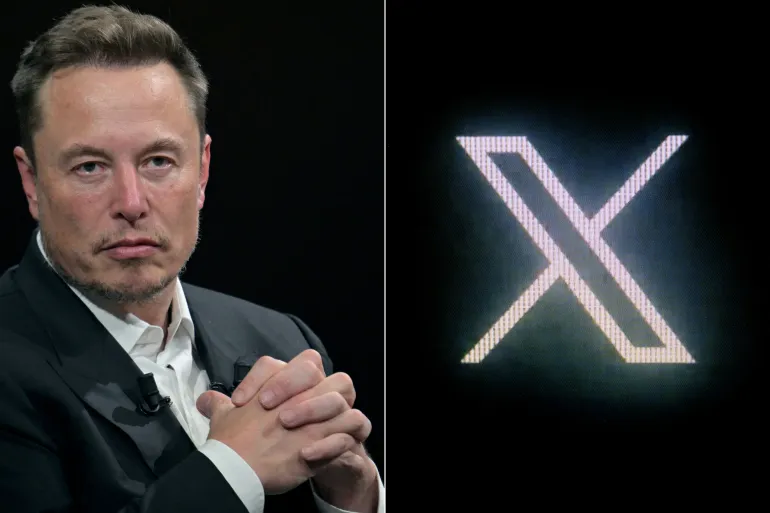
Closing arguments are scheduled to begin in a U.S. trial between Elon Musk and Twitter (now X) shareholders, who claim the world’s richest man misled investors through a pattern of deceptive behavior while attempting to withdraw from his $44 billion acquisition of the social media platform in 2022.
The arguments are slated for Tuesday.
The civil trial in San Francisco focuses on a class-action lawsuit filed just before Elon Musk took control of Twitter, which he later renamed X, in October 2022—six months after agreeing to purchase the struggling company for $44 billion, or $54.20 per share. The acquisition price represents only a fraction of the Tesla CEO’s fortune, now estimated at $839 billion.
A central point of the trial was Musk’s claims regarding the number of bots on Twitter. Musk testified that the platform had far more fake and spam accounts than the 5 percent disclosed in its regulatory filings. He cited Twitter’s alleged misrepresentation of fake accounts as a reason for attempting to withdraw from the purchase.
After Musk sought to back out, Twitter filed a lawsuit in Delaware to compel him to honor the original deal. Just before that case was set for trial, Musk reversed course once again and agreed to proceed with the purchase at the initially agreed price.
Bots and Fake Accounts
The issue of bots and fake accounts on Twitter was not new when Elon Musk negotiated the deal. In 2021, the company paid $809.5 million to settle claims that it had overstated its growth rate and monthly user numbers. Twitter had also disclosed its bot estimates to the Securities and Exchange Commission (SEC) for years, while warning that its figures might be underestimated.
However, Musk argued that the number of bots was much higher—at least 20 percent according to some analysts. He likened claiming the bot figure was that high to “saying the grass is green or the sky is blue.”
Twitter’s former CFO, Ned Segal, challenged this, testifying that the actual figure was closer to 1 percent.
When asked whether Twitter had ever submitted false filings to the SEC misstating its spam numbers, Segal said it had not. He did note, however, that the company once restated its financials after discovering an error in calculating daily users. In 2017, Twitter admitted to overstating its monthly user numbers because it had incorrectly included users of a third-party app.
On Monday, both sides met to review instructions for the jury. Judge Charles R. Breyer observed that many in the jury pool held negative views of Musk, but emphasized that a person who is “not universally liked” is still entitled to a fair trial and should not be judged prejudicially.
About the Author