

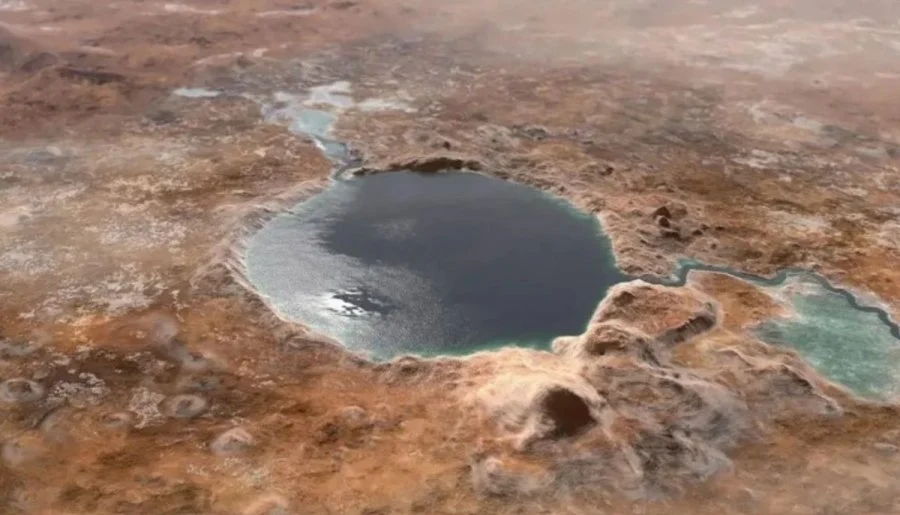
Ancient sand dunes in Gale Crater were saturated by underground water billions of years ago, leaving minerals capable of preserving signs of life on Mars.
The possibility of life on Mars has long intrigued scientists, but definitive clues remained elusive.
For years, researchers have sought evidence of life on the Red Planet, and the latest breakthrough suggests that Mars may have been habitable far longer than previously believed, following the discovery of signs of underground water.
The findings suggest that Mars may have remained capable of supporting life far longer than previously thought.
Even after surface water vanished, subsurface flows could have created protected environments suitable for microbial life. These hidden watery habitats may now serve as key targets in the ongoing search for evidence of past life on the Red Planet.
Evidence from ancient Martian dunes indicates that underground water continued to flow beneath the surface long after lakes and rivers had dried up.
Published in the Journal of Geophysical Research: Planets, the research sheds new light on how Mars evolved over billions of years and reinforces the idea that subsurface environments could be the most promising locations to search for signs of ancient life.
About the Author