
The US Defence Secretary labeled the AI firm a “supply chain risk” after it declined to remove safety guardrails from its technology.
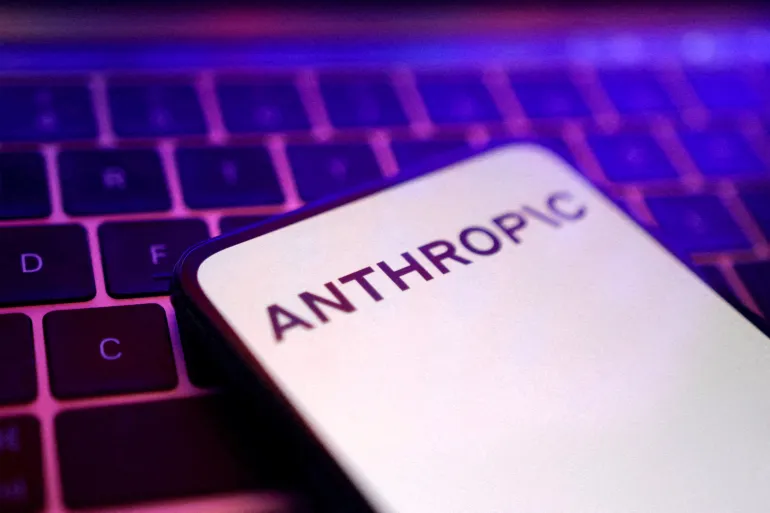
The administration of Donald Trump has told a US court that the Pentagon’s blacklisting of Anthropic was both justified and legal, pushing back against the AI firm’s high-stakes lawsuit challenging the move.
The statements were made in a court filing submitted on Tuesday.
On March 3, Defense Secretary Pete Hegseth designated Anthropic, creator of the AI assistant Claude, as a national security supply chain risk. The move came after the company refused to remove guardrails preventing its technology from being used for autonomous weapons or domestic surveillance.
The Trump administration argued in its court filing that Anthropic is unlikely to succeed in claims that the blacklisting violated First Amendment speech protections. The administration maintained that the dispute arises from contract negotiations and national security concerns—not retaliation.
The filing stated: “It was only when Anthropic refused to release the restrictions on the use of its products — which refusal is conduct, not protected speech — that the President directed all federal agencies to terminate their business relationships with Anthropic.”
According to the submission from the US Department of Justice, “no one has purported to restrict Anthropic’s expressive activity.”
Anthropic has filed a lawsuit in a California federal court seeking to block the Pentagon’s decision while the case proceeds. Some legal experts suggest the company may have a strong argument that the government exceeded its authority.
In a statement, Anthropic said it is reviewing the government’s filing. The company emphasized that “seeking judicial review does not change our longstanding commitment to harnessing AI to protect our national security, but this is a necessary step to protect our business, our customers, and our partners.”
The White House has not immediately responded to requests for comment.
Supply chain risk
Donald Trump has supported Pete Hegseth’s decision, which excludes Anthropic from a limited set of military contracts. However, the move could harm the company’s reputation and potentially cost billions in revenue this year, according to its executives.
The designation followed months of stalled negotiations between the Pentagon and Anthropic, leading Trump and Hegseth to publicly criticize the company, accusing it of endangering American lives through its use restrictions.
Anthropic has denied these claims, arguing that AI is not yet safe for autonomous weapons and that it opposes domestic surveillance on principle.
In its March 9 lawsuit, the company described the designation as “unprecedented and unlawful,” alleging it violated free speech and due process rights and ignored federal rules requiring agencies to follow specific procedures.
Separately, the Pentagon also labeled Anthropic a supply chain risk under a separate law, potentially extending restrictions across the federal government. Anthropic is challenging this designation in a second lawsuit filed in a Washington, DC, appeals court.
About the Author