

“Consecutive surpluses highlight stronger value-added exports and controlled imports,” says Schehzad.
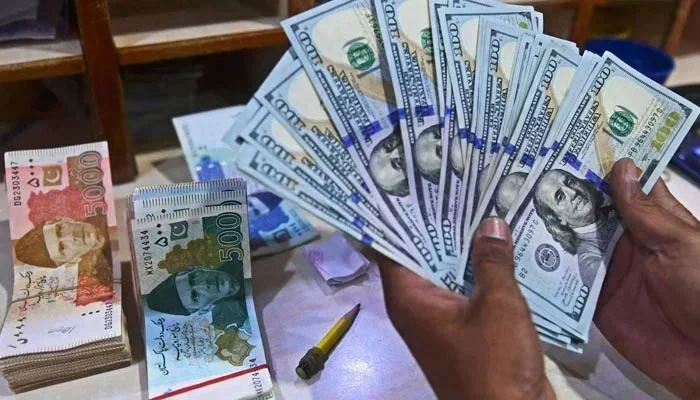
KARACHI: Pakistan’s current account surplus rose in February, according to State Bank of Pakistan (SBP) data, driven by robust remittance inflows and lower services imports, The News reported on Tuesday.
The surplus reached $427 million in February, the highest since March 2025. In comparison, the surplus was $68 million in January, while February last year recorded a deficit of $85 million.
During the first eight months of this fiscal year, Pakistan ran a deficit of $700 million, compared with a surplus of $479 million in the same period last year.
Waqas Ghani, head of research at JS Global, said, “The surplus was mainly supported by strong remittance inflows and a notable reduction in the income deficit, which helped offset the still-elevated trade gap. Lower services imports and contained import growth also contributed to an improved external balance.”
He added, “While the monthly surplus reflects some easing in external pressures, the sustainability of this trend will depend on the trajectory of imports and remittance inflows in the coming months.”
Finance Minister Adviser Khurram Schehzad noted on X that February’s surplus was the largest in a year and marked the second consecutive monthly surplus, signalling continued improvement in Pakistan’s external sector.
A recent report by Insight Securities highlights that Pakistan’s economic structure has changed significantly over the past few decades, with an increasing dependence on remittance inflows. The Middle East, currently the region most affected by geopolitical tensions, is the largest contributor to Pakistan’s remittances, accounting for 55 percent of total inflows, primarily from the United Arab Emirates and Saudi Arabia. Prolonged disruptions in these economies could sharply impact remittance receipts.
The report notes that robust remittance growth over the years has helped finance Pakistan’s widening trade deficit. “With oil prices already high—where every $5 per barrel increase adds roughly $800 million to the annual import bill—and exports constrained by rising freight costs, any decline in remittance inflows could have severe consequences,” the report warned.
About the Author