
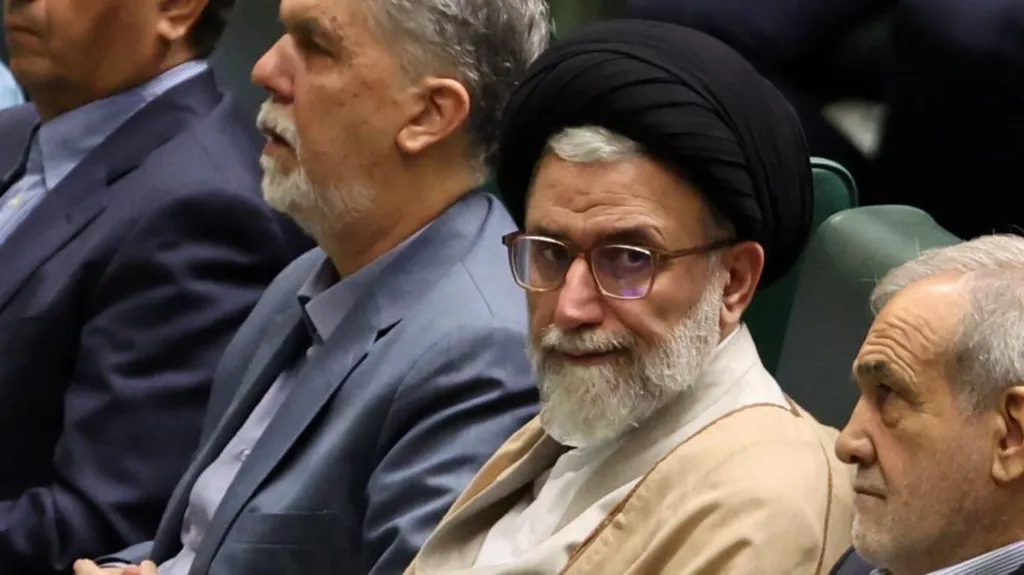
Iran’s intelligence minister, Esmail Khatib, has been killed, according to confirmation from the country’s president.
Masoud Pezeshkian described the incident as a “cowardly assassination,” saying it has plunged Iran into deep mourning. His statement came after Israel claimed on Wednesday that Khatib was killed in an airstrike.
The development follows Israel’s announcement a day earlier that it had killed Iran’s senior security figure Ali Larijani, along with Gholamreza Soleimani, the head of the paramilitary Basij force, in separate strikes.
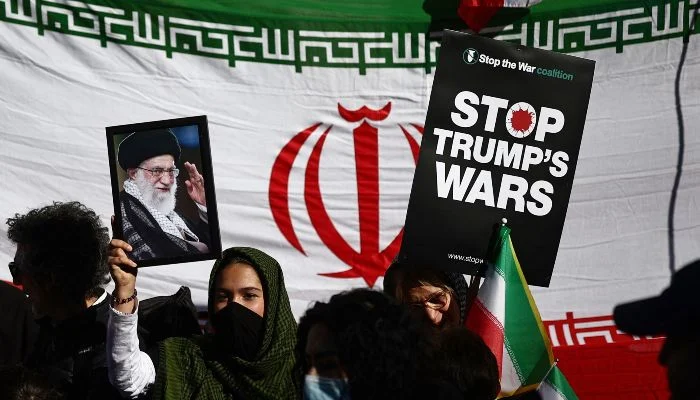
These events come amid escalating conflict since the reported assassination of Supreme Leader Ali Khamenei on 28 February. Since then, several high-ranking Iranian officials and military commanders have reportedly been killed as part of efforts by Israel and the United States to weaken Iran’s leadership.
In a post on X, Masoud Pezeshkian expressed his condolences to the Iranian public over the deaths of senior officials, saying he was “certain their path will continue more steadfastly than before.”
Speaking to the BBC, a woman from Tehran said the killing of Esmail Khatib could have an impact on the public. She noted that because he was part of the leadership, his death might reduce the risk faced by protesters.
“It might be that when people come out after a call to protest, the likelihood of them being killed is lower now,” she said, adding that while replacements exist, those targeted were key figures.
Earlier on Wednesday, Israel’s defence minister Israel Katz said Khatib had been “eliminated” in a strike on Tehran.
He added that he and Benjamin Netanyahu had authorised the military to target any senior Iranian official once intelligence and operational conditions were met, without requiring further approval.
In a statement, the Israel Defense Forces said Iran’s Ministry of Intelligence had played a key role in supporting what it described as the regime’s “repression and terrorist activities,” adding that Esmail Khatib was significantly involved in the arrest and killing of protesters during recent crackdowns.
Khatib was appointed in 2021 by former president Ebrahim Raisi. He had studied Islamic jurisprudence under prominent clerics, including Ali Khamenei, and held several senior roles within the intelligence ministry and the Office of the Supreme Leader.
In 2022, the United States Department of the Treasury imposed sanctions on Khatib, citing his involvement in cyber activities targeting the United States and its allies.
On Wednesday, large crowds gathered in central Tehran for the funerals of Ali Larijani, Gholamreza Soleimani, and 84 sailors reportedly killed when a US strike sank an Iranian warship near Sri Lanka earlier this month.
According to the Iranian government, more than 1,300 people — including 226 women and 204 children — have been killed in Israeli and US strikes since the war began. However, the Human Rights Activists News Agency reported higher figures, stating that at least 1,354 civilians and 1,138 military personnel have died, along with 622 individuals whose status could not be determined.
Iran has responded with strikes across the Middle East. On Wednesday, two people were killed in an attack on Israel, while explosions and drone interceptions were reported in Dubai, Qatar, Kuwait, Iraq, Bahrain, and Saudi Arabia.
The global impact of the conflict has also intensified, with oil prices surging after the effective closure of the Strait of Hormuz, a crucial route for global energy shipments.
Additional reporting by Ghoncheh Habibiazad.
About the Author