

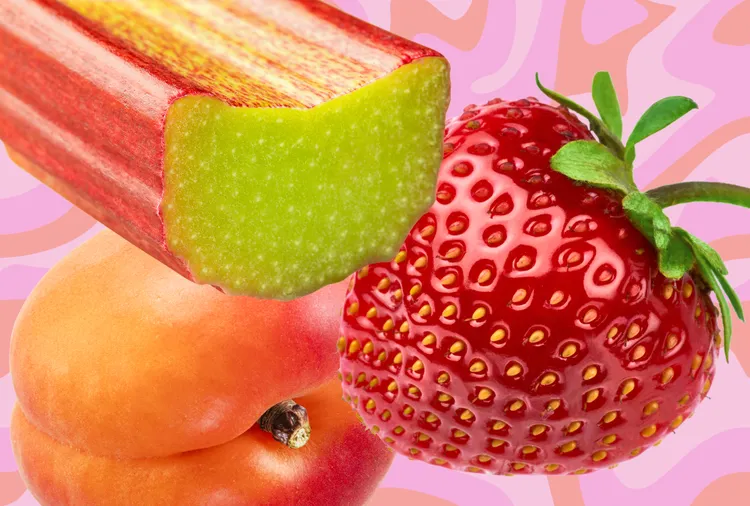
Fruits are packed with antioxidants, polyphenols, and fiber, all of which support overall health.
Strawberries, cherries, kiwi, apricots, and rhubarb are especially known for their anti-inflammatory benefits.
You can enjoy them fresh, blend them into smoothies, toss them in salads, or add them to other easy spring recipes.
Chronic inflammation is linked to many common health issues, including heart disease, diabetes, joint pain, and mood disorders. While no single food can completely prevent inflammation or cure disease, fruits are packed with nutrients and plant compounds that may help support a healthy inflammatory response.
“Fruit can help reduce inflammation because it’s rich in antioxidants, fiber, vitamins, and plant compounds like polyphenols, which help regulate the body’s inflammatory processes,” says Talia Follador.
With spring approaching, a wide variety of colorful, antioxidant- and polyphenol-rich fruits are coming into season. We asked registered dietitians to highlight five anti-inflammatory fruits to enjoy as the days grow warmer and brighter.
Strawberries
Spring is in full swing when strawberries appear in markets. These vibrant red berries are packed with polyphenols, especially anthocyanins, which give them their color. “These compounds help inhibit pro-inflammatory enzymes,” explains Whitney Stuart, noting that “research shows consuming strawberries can significantly reduce C-reactive protein (CRP), a key marker of systemic inflammation.”
One study found that eating 32 grams of freeze-dried strawberry powder — about 2½ servings of fresh strawberries — daily for 14 weeks led to notable reductions in inflammation and insulin resistance, effects attributed to the berries’ high polyphenol content.
Strawberries aren’t just for desserts like shortcake. They’re also delicious in protein shakes, parfaits, or tossed into fresh salads.
Kiwifruits
Kiwifruits are a great reminder not to judge a book by its cover. Beneath their fuzzy brown skin lies a juicy, nutrient-packed fruit full of anti-inflammatory compounds. “Kiwifruit contains a combination of vitamin C, polyphenols, and flavonoids that can help influence inflammatory pathways in the body,” says Talia Follador.
Two 2-inch kiwifruits provide about 142% of the recommended daily value of vitamin C and 4 grams of fiber.
The fiber in kiwifruit nourishes beneficial gut bacteria, which play a role in regulating inflammation. Early research suggests that regular consumption may support healthy digestion and a balanced gut microbiome, potentially reducing gut inflammation, though further studies are needed.
Enjoy kiwifruit in smoothies, scoop it straight from the skin, or even eat it whole—the skin is edible and adds extra fiber.
Apricots
Dried apricots are a tasty treat all year, but nothing beats the sweet flavor of freshly picked apricots. “Whether fresh or dried, they provide beta-carotene, which helps reduce inflammation and supports skin, eye, and immune health,” explains Lauren Manaker. Beta-carotene is also found in other orange fruits and vegetables like carrots, squash, and pumpkin.
Apricots are rich in flavonoids such as catechins, quercetin, and rutin, which help combat free radicals and lower oxidative stress, reducing the risk of chronic disease.
Spring is the ideal season to enjoy apricots fresh, sliced into salads, or even lightly grilled for a delicious, nutritious treat.
Rhubarb
Although technically a vegetable, rhubarb is often treated like a fruit because of its tart, tangy flavor. It’s notable for its anti-inflammatory properties, thanks to compounds like polyphenols, flavonoids, and phenolic acids. Red varieties are especially high in anthocyanins—plant pigments that may help reduce inflammation and protect cells from oxidative stress, notes Lauren Manaker.
“It’s also an excellent source of vitamin K, which supports bone health and has anti-inflammatory benefits,” she adds. One cup of diced rhubarb provides roughly 30% of the daily value for vitamin K.
All of rhubarb’s nutrients and flavor are in the stalks; the leaves should be avoided, as they contain high levels of oxalic acid and are considered toxic.
Rhubarb can be enjoyed in a variety of ways—baked into muffins or crumbles, added to salads or porridge, or used in sauces.
Cherries
Cherries are among the most well-researched fruits for their anti-inflammatory benefits, with studies linking them to improved joint health, faster muscle recovery, and a reduced risk of chronic diseases. They are especially rich in polyphenols such as anthocyanins, quercetin, kaempferol, and catechins—compounds known for their antioxidant and anti-inflammatory effects.
“Research shows these polyphenols can help lower inflammatory markers like C-reactive protein and may support muscle recovery and joint health,” says Jamie Lee McIntyre.
Cherries may also help regulate uric acid levels, making them a beneficial choice for people managing inflammatory conditions like gout, adds Whitney Stuart. Some studies even suggest that regular cherry consumption can reduce the risk of gout flare-ups by up to 35%.
Our Expert Take
While all fruits offer anti-inflammatory benefits, dietitians suggest focusing on seasonal spring favorites like strawberries, cherries, kiwi, apricots, and rhubarb. These fruits are not only flavorful and versatile but also rich in antioxidants and anti-inflammatory compounds. Enjoy them fresh, or incorporate them into smoothies, salads, or other spring recipes for a tasty, health-boosting treat.
About the Author