
Doctors at clinics across Mumbai report that they are preparing for a surge in new patients.
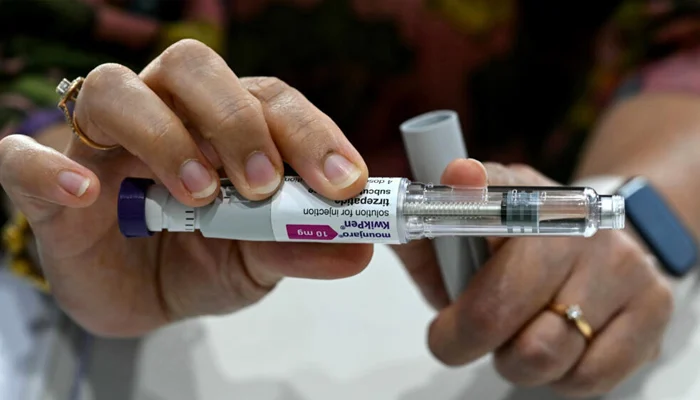
A wave of weight-loss drugs is expected to reshape the global fight against obesity, as India moves to introduce low-cost generic versions of injections like Ozempic following the expiry of a key patent on Friday.
The move is expected to greatly expand access to treatments that have long been seen as a luxury, particularly in middle-income countries where rising demand has met high costs.
Doctors at clinics across Mumbai say they are already preparing for a surge in patients. More than 50 people visit endocrinologist Nadeem Rais each week seeking weight-loss injections.
“We have around 70 to 80 patients on active treatment right now,” he told AFP. “When generics come out and prices drop, that could easily rise to 200.”
His colleague Sunera Ghai also noted that demand is “very high,” but many people “probably aren’t taking it because it is currently a luxury item.”
The development follows the expiry of patents on semaglutide—the active ingredient in drugs such as Ozempic and Wegovy—in India, the world’s largest supplier of generic medicines.
By the end of 2026, key patents on semaglutide are expected to expire in 10 countries that account for nearly 48% of the global obesity burden, including Brazil, China, South Africa, Turkey, and Canada, according to a recent study.
For India’s pharmaceutical companies, this marks the beginning of a competitive new phase. At least four major firms have already developed generic semaglutide injections, with some, including Zydus Lifesciences, planning “Day 1” launches, potentially making the drugs available in India as early as this weekend.
Research firm Pharmarack predicts the Indian market will soon see a wide range of available options.
Category: Health / Medical news 💊
“What we understand is that more than 50 brands will enter the market, with over 40 companies launching these drugs,” said Sheetal Sapale, vice president at Pharmarack.
The development comes as India’s health landscape continues to evolve.
Although the country still accounts for about one-third of the world’s undernutrition, according to the World Health Organization, rising incomes and urban lifestyles have driven a sharp increase in obesity rates.
Government data released in March last year shows that 24% of women and 23% of men in India are overweight or obese.
Category: Health / Medical news 💊
“Once people start earning more, they tend to become more sedentary here,” said bariatric surgeon Sanjay Borude.
“In many developed countries, higher income often leads to a more active lifestyle and greater focus on health. In India, however, the trend is often the opposite.”
This shift in lifestyle has benefited major pharmaceutical companies such as Eli Lilly and Company and Novo Nordisk, which have been capitalizing on the growing market.
India’s weight-loss drug market has expanded rapidly, with sales increasing tenfold over five years to reach $153 million by 2026, and projections suggesting it could exceed $500 million by 2030. However, these medications can cause side effects such as nausea and other gastrointestinal problems.
Breaking price barriers
Eli Lilly and Company’s Mounjaro became India’s best-selling drug by value last year, even surpassing common antibiotics.
Despite this, high costs—typically between INR 15,000 and INR 22,000 ($161–$236) per month—limit access, according to Swati Pradhan, who runs a weight-loss clinic in Mumbai. She expects patient numbers to increase once generic versions reduce costs to around INR 5,000 ($60) per month.
The global impact could be even greater. India supplies more than half of Africa’s generic medicines, meaning cheaper semaglutide could become a crucial treatment option in regions where obesity is rising but care remains unaffordable.
“Lower-cost semaglutide could significantly expand access to effective treatment, particularly in middle-income countries where price has been a major barrier,” said Simon Barquera, president of the World Obesity Federation. “Generic products are an important step in breaking the access barrier, now that the scientific one has been overcome.”
Indian pharmaceutical companies are expected to play a major role, with firms like Dr. Reddy’s Laboratories planning to launch semaglutide in Canada by May 2026.
For patients such as 46-year-old Sukant Mangal, who lost nearly 30 pounds in eight months, broader access cannot come soon enough. Many people he knows stopped treatment midway after realizing they would need to spend around INR 20,000 ($214) per month for seven to eight months.
About the Author