
Closely monitored sentiment indicators point to a decline in business activity from Australia to Europe.

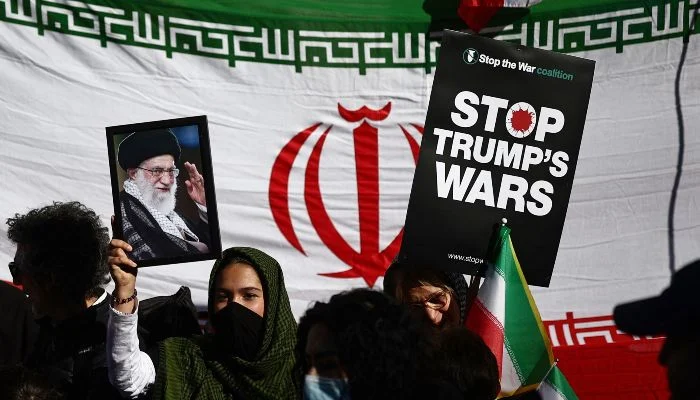
Business activity across the globe has declined as the Iran war and rising energy costs weigh on confidence, according to early survey data released on Tuesday.
Initial purchasing managers’ surveys taken since the conflict began suggest the war is affecting companies from Europe to Australia, as Brent crude remains above $100 per barrel and global supplies of liquefied natural gas tighten.
Economists at Commerzbank said the Iran conflict “is leaving its first traces” on the global economy.
In the Eurozone, private sector activity edged close to stagnation in March, with business sentiment falling to a 10-month low of 50.5 on the Purchasing Managers’ Index (PMI), down from 51.9 in February and below expectations of 51. The PMI is a key indicator of business activity.
Activity in the region is now hovering just above the 50 mark that separates growth from contraction. Chris Williamson warned that the Eurozone data was “ringing stagflation alarm bells,” as rising prices coincided with slowing growth.
In the United States, business sentiment dropped to an 11-month low of 51.4, driven by weaker new orders and higher prices linked to the Iran conflict. Manufacturing delivery times also stretched to their longest since October 2022. The US economy had already begun showing signs of weakness, with the labour market losing momentum after years of strong growth.
In Australia, business activity fell back into contraction for the first time in 17 months, as high inflation and concerns over the Middle East conflict dampened confidence. The PMI dropped to 47 in March from 52.4 in February.
“These flash data provide the first look into the extent to which war in the Middle East has rippled through the global economy,” said Eleanor Dennison of S&P Global Market Intelligence.
Meanwhile, UK manufacturers reported the sharpest increase in input costs since October 2022 in March, as the composite Purchasing Managers’ Index (PMI) dropped to a six-month low of 51, down from 53.7.
In Japan, private sector activity eased to 52.5 on the index from 53.9 the previous month, although both manufacturing and services sectors remained in expansion territory.
The latest surveys come after warnings from major central banks last week that the Middle East conflict could push inflation higher.
The European Central Bank recently cut its growth forecast for 2026 to 0.9%, down from 1.2% in December. It also warned that if oil supplies through the Strait of Hormuz are disrupted for an extended period, growth could fall as low as 0.4%.
Christine Lagarde cautioned that, under any scenario, the immediate impact on inflation would be “material.”
Jerome Powell said last week that rising energy prices are likely to push up overall inflation in the US in the near term, though he cautioned that it is still too early to assess the full impact on the economy.
The Bank of England also warned that a severe energy shock could feed into higher wages and prices across the economy, while signalling the possibility of further interest rate increases.
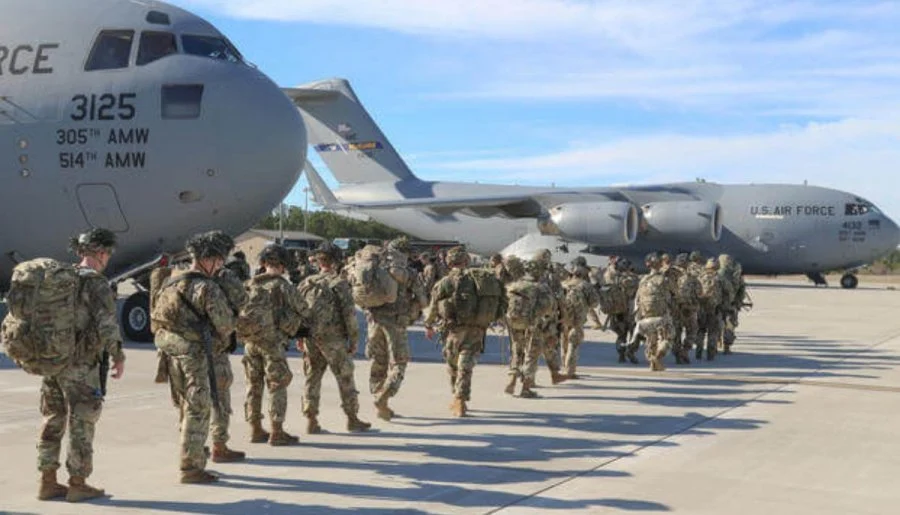
Since the US and Israeli strikes on Iran began on February 28, traders have sharply adjusted their expectations for interest rates across major economies.
In the Eurozone, markets are now pricing in more than two quarter-point rate hikes by the end of the year, as investors expect the European Central Bank to react more quickly to rising energy prices than it did in 2022, when Russia’s invasion of Ukraine drove oil and gas prices higher and pushed inflation close to 11%.
Additional reporting by Nic Fildes in Sydney, Leo Lewis in Tokyo, and Claire Jones in Washington.
About the Author