
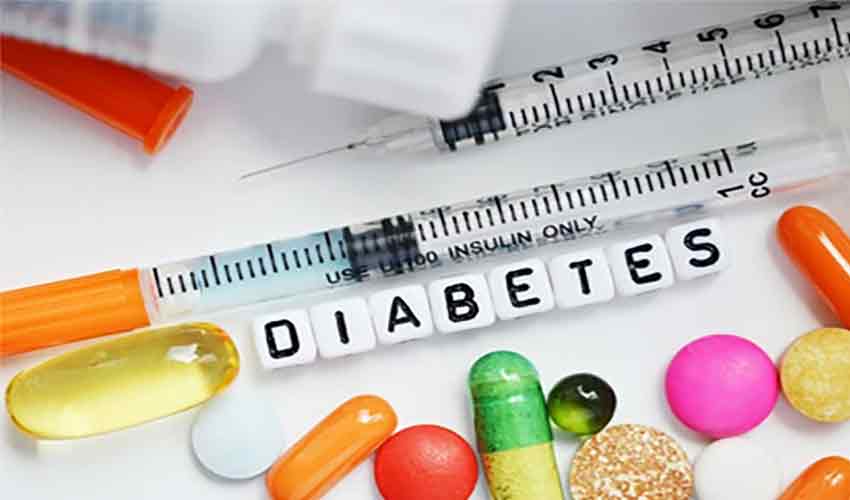
Researchers have reported a major medical breakthrough after a recent clinical trial showed that several patients in the United States were able to live without insulin.
A team at the University of Chicago Medicine Transplant Institute shared findings from an ongoing study involving people diagnosed with Type 1 Diabetes—a chronic illness in which the immune system destroys insulin-producing cells in the pancreas.
Unlike Type 2 Diabetes, individuals with Type 1 diabetes cannot naturally control blood sugar levels due to the lack of insulin. Without treatment, blood glucose can rise dangerously, causing the body to break down fat for energy. This process produces acids called ketones, which can lead to Diabetic Ketoacidosis—a life-threatening condition linked to brain swelling, kidney failure, heart problems, and even death.
In the trial, 10 patients with Type 1 diabetes underwent transplantation of islet cells—clusters of pancreatic cells responsible for producing hormones that regulate blood sugar.
Within just four weeks of the procedure, all 10 patients became insulin-independent. Their bodies regained the ability to produce insulin naturally, removing the need for daily injections.
Researchers say the results are highly encouraging, raising hope that such treatments could significantly reshape diabetes care if proven effective on a larger scale.
About the Author