
Sources say PM Shehbaz was briefed on the IMF’s initial stance, which opposes any changes to the existing levy structure.
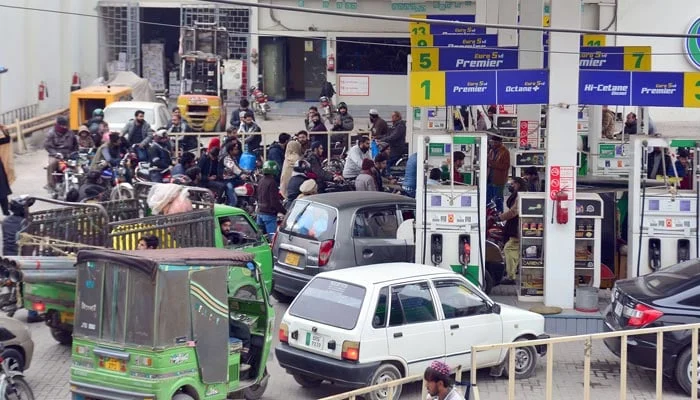
ISLAMABAD: The International Monetary Fund (IMF) has expressed reluctance to approve Pakistan’s request for flexibility in petroleum levy adjustments, even as the government seeks relief to protect consumers from rising global oil prices amid the ongoing conflict in Iran.
Sources said Prime Minister Shehbaz Sharif was briefed on Thursday regarding the IMF’s initial response, which opposed any changes to the existing levy structure. Despite this, the premier instructed the Finance Ministry to reopen discussions with the IMF and present a renewed case for easing the financial burden on the public.
Officials said the prime minister stressed that passing the full impact of international oil price hikes onto consumers would be “too much” for the public and could trigger a sharp rise in inflation. He urged economic managers to explore all possible measures to mitigate the fallout.
This comes after the government sought IMF approval to adjust petroleum levies in a way that could absorb part of the global price shock. However, the Fund remains cautious, viewing petroleum levies as a crucial revenue source and a key element of ongoing programme commitments. The matter was already discussed earlier this week, with Prime Minister Shehbaz Sharif instructing the Finance Division to engage the IMF on petrol and diesel levies to prevent additional burdens on the public amid soaring global oil prices driven by the Iran conflict.
The premier directed the Finance Ministry to propose adjustments to petroleum prices that could be offset against existing levies. Currently, the government imposes a levy of Rs100 per litre on petrol and Rs55 per litre on diesel, both tied to IMF conditionalities.
The government has already provided significant relief to consumers, spending around Rs129 billion in subsidies to stabilize fuel prices. Officials noted that this support was managed through cuts in the development budget and savings from other expenditures, reflecting the government’s commitment to shielding the public from external economic shocks.
About the Author