
Countries call for full adherence to the two-week ceasefire, lauding Pakistan’s role in facilitating the truce.
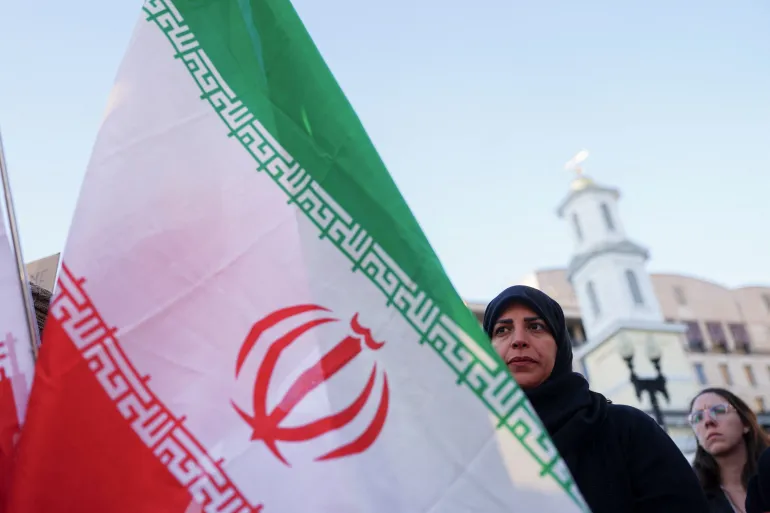
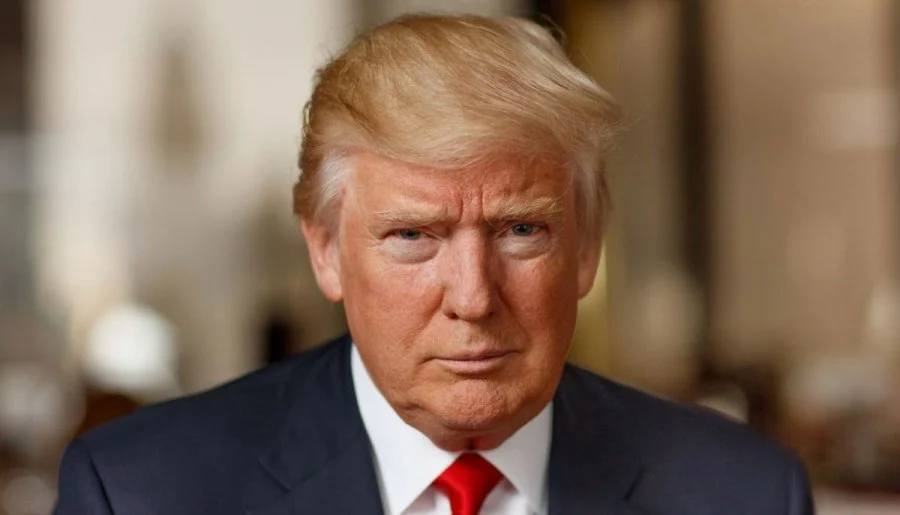
The United States and Iran have agreed to a two-week ceasefire, with negotiations to finalise a peace deal set to begin in Islamabad on Friday.
The truce, announced by US President Donald Trump on Tuesday, includes Iran reopening the Strait of Hormuz—a crucial maritime route through which around one-fifth of the world’s oil supply passes.
Countries around the world have welcomed the development.
Here’s a roundup of the reaction:
Israel
Israeli Prime Minister Benjamin Netanyahu said on X that he supports Trump’s decision to halt strikes on Iran, as well as the US effort to ensure that Iran no longer poses a nuclear, missile, or security threat to the United States, Israel, its Arab neighbours, or the wider world.
However, Netanyahu clarified that the ceasefire does “not include Lebanon,” where Israeli forces continue their ground operations against the Iran-aligned Hezbollah.
Iraq
Iraq’s Ministry of Foreign Affairs welcomed the ceasefire announcement but stressed that both the United States and Iran must fully adhere to the agreement to ensure a lasting resolution.
“The ministry affirms its support for regional and international efforts to contain crises and prioritise dialogue and diplomacy, while underscoring the need for full commitment to the ceasefire and avoiding any escalation,” it said.
Iraq has been increasingly drawn into the US-Israel conflict with Iran, as Tehran-backed armed groups and US forces continue exchanging fire in a growing cycle of violence.
Egypt
Egypt’s Ministry of Foreign Affairs described the ceasefire as “a significant opportunity that must be seized” to pave the way for negotiations, diplomacy, and constructive dialogue.
The ministry said in a statement on Facebook that the truce must be reinforced through full commitment to halting military operations and ensuring the freedom of international navigation.
The statement added that Egypt will continue working with Pakistan and Türkiye to promote regional security and stability, stressing that the US-Iran talks must also address the legitimate security concerns of Gulf nations.
United Nations
UN Secretary-General Antonio Guterres welcomed the announcement and urged all parties to adhere to the ceasefire, saying it should help pave the way for a lasting and comprehensive peace in the region, according to his spokesperson.
He emphasized that an immediate end to hostilities is essential to protect civilian lives and ease human suffering, while also expressing appreciation for Pakistan and other countries that helped facilitate the truce.
Japan
Japan’s Chief Cabinet Secretary Minoru Kihara told reporters that Tokyo views the two-week ceasefire between the US and Iran as a “positive step” while it looks ahead to a final agreement.
He added, according to the Kyodo News Agency, that de-escalating tensions in the Middle East remains a top priority.
Indonesia
Indonesia’s Foreign Ministry spokesperson Yvonne Mewengkang said Jakarta welcomes the ceasefire deal and urged both Iran and the United States to respect each other’s sovereignty, territorial integrity, and commitment to diplomacy, Reuters reported.
Mewengkang also called for a thorough investigation into the deaths of three Indonesian UN peacekeepers who were killed by explosions in Lebanon in late March during clashes between Israeli forces and Hezbollah fighters.
Malaysia
Malaysia’s Ministry of Foreign Affairs described the ceasefire as a “significant development” and an important step toward easing tensions and restoring much-needed peace and stability in the Middle East.
The ministry also urged all parties to fully honour and implement the ceasefire in good faith to prevent a return to conflict, while avoiding any provocative actions or unilateral measures that could undermine the region’s fragile stability or threaten global economic and energy security.
Australia
Australian Prime Minister Anthony Albanese and Foreign Minister Penny Wong issued a joint statement welcoming the development and expressing hope that it will pave the way for a lasting resolution.
They noted that Iran’s effective closure of the Strait of Hormuz, along with its attacks on commercial vessels, civilian infrastructure, and oil and gas facilities, has triggered significant disruptions to global energy supplies and driven up oil and fuel prices.
“We have been clear that the longer the conflict continues, the greater the impact on the global economy and the higher the human toll,” Albanese and Wong said.
They also expressed gratitude to Pakistan, Egypt, Türkiye, and Saudi Arabia for their roles as mediators.
New Zealand
New Zealand’s Foreign Minister Winston Peters welcomed the ceasefire announcement but emphasized that many challenges remain.
“While this is encouraging news, significant work still lies ahead in the coming days to secure a lasting ceasefire,” he wrote on X, noting that the conflict has caused “wide-ranging impacts and disruptions” across the Middle East and beyond.
Peters commended countries including Pakistan, Türkiye, and Egypt for their efforts in facilitating the negotiations.
About the Author