
Islamabad, April 9 (SocialNews.XYZ) Tuberculosis (TB) continues to be one of the deadliest diseases in Pakistan, claiming tens of thousands of lives every year. Over 1,800 new cases are reported daily, while around 140 deaths occur each day, indicating that the country’s current response to the disease remains insufficient, according to a report.
The figures released by the World Health Organization (WHO) on World Tuberculosis Day serve as a wake-up call for Pakistan. The situation is alarming, with more than 669,000 new infections recorded annually and approximately 51,000 deaths reported.
Pakistan accounts for 73% of the tuberculosis burden in the Eastern Mediterranean region and ranks fifth globally, reflecting its ongoing struggle to effectively address this major public health challenge, according to an editorial in Business Recorder.
The editorial noted that this year’s theme, “Yes, We Can End TB — Powered by People,” reflects hope and possibility, but the ground reality shows a worrying gap between ambition and action. With more than 1,800 new cases emerging daily and around 140 deaths each day, it is evident that the current response remains inadequate.
It further highlighted remarks by the WHO Country Representative, who stated that one person dies from TB every 10 minutes in Pakistan, stressing the urgent need for decisive action. The editorial added that the fact these deaths are preventable should trigger both public concern and accountability.
Severe underfunding, weak healthcare infrastructure, and shortages of essential medicines have collectively weakened efforts to control tuberculosis. While these challenges are not new, they reflect Pakistan’s long-standing neglect of the public health sector, according to the editorial.
Infectious diseases like TB disproportionately affect the most vulnerable populations. However, the lack of equitable access to timely diagnosis and treatment further deepens social and economic inequalities, it added.
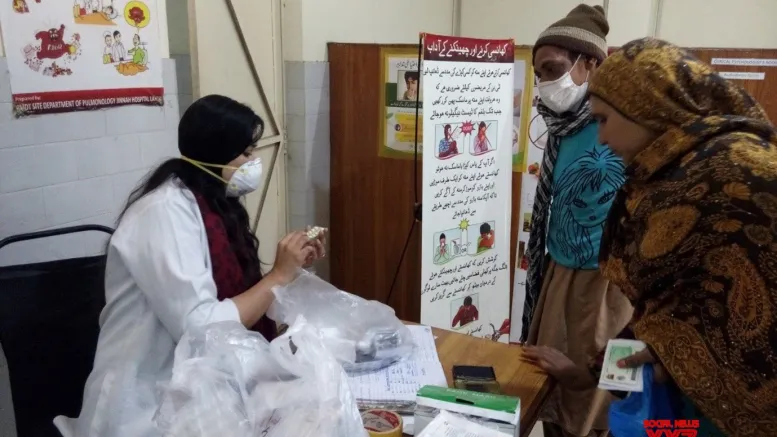
The editorial stated that eliminating TB requires strong political commitment, increased financial investment, and a robust healthcare system capable of reaching even the most remote areas. It stressed that early detection, consistent availability of medicines, and strong patient support systems must be prioritised by authorities. It also called for public awareness campaigns to reduce stigma, which often prevents people from seeking timely treatment.
Tuberculosis (TB) is an infectious disease caused by bacteria that primarily affects the lungs. It spreads through the air when an infected person coughs, sneezes, or spits. According to the World Health Organization (WHO), TB is both preventable and curable. The disease is typically treated with antibiotics, but it can be fatal if left untreated.
About the Author