
A social media post sharing a child’s letter has reignited discussion about Pluto’s planetary status after a NASA administrator responded online.
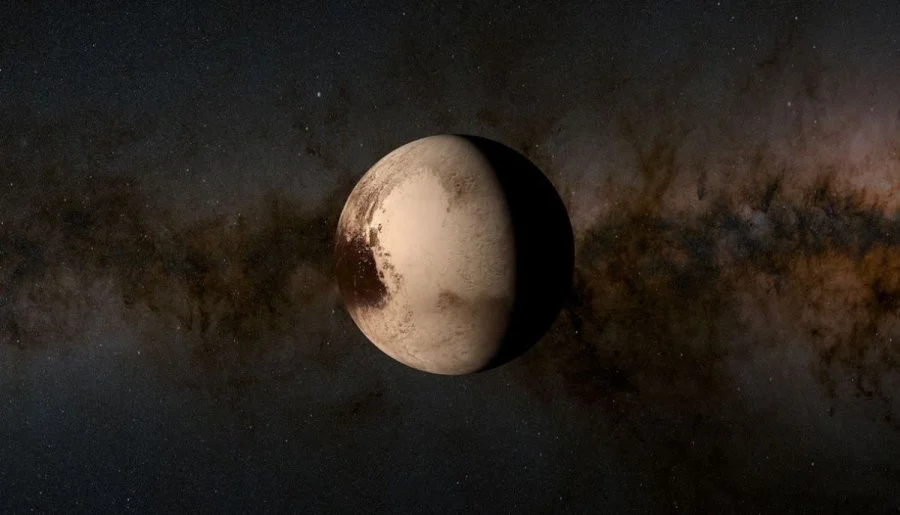
A renewed debate over Pluto’s planetary status has emerged after a viral post on X shared an emotional letter from a 10-year-old asking for Pluto to be reinstated as a planet. The discussion involved NASA, NASA Administrator Jared Isaacman, and the weather community page Mike’s Weather Page, which first posted the letter online.
The exchange gained widespread attention after NASA responded publicly, keeping the conversation about Pluto’s classification in the spotlight.
The debate over Pluto’s planetary status resurfaced after Mike’s Weather Page, a social media account known for sharing weather updates, hurricane tracking, and science content, posted a handwritten letter from a child on X.
The letter made an emotional appeal for Pluto to be reinstated as a planet, referencing its position in the solar system and presenting a simple case for its reclassification.
The post quickly went viral, sparking renewed public interest in the long-running Pluto classification debate.
Following the widespread attention, NASA Administrator Jared Isaacman responded on X, saying, “Kaela – We are looking into this.”
The response regarding Pluto’s planetary status did not indicate any official change in classification, but it did add to ongoing public curiosity. NASA continues to follow the International Astronomical Union (IAU) definition, which classifies Pluto as a dwarf planet.
Why Pluto’s planet status remains unchanged
The controversy surrounding Pluto’s classification dates back to 2006, when it was redefined as a dwarf planet after failing to meet the third criterion for planetary status. While it satisfies the other requirements, it shares its orbital region with other objects in the Kuiper Belt.
Despite its reclassification, Pluto remains a fascinating icy world, featuring mountains, glaciers, and multiple moons. Although public interest in restoring its planet status continues to grow, its scientific classification has remained unchanged.
About the Author