

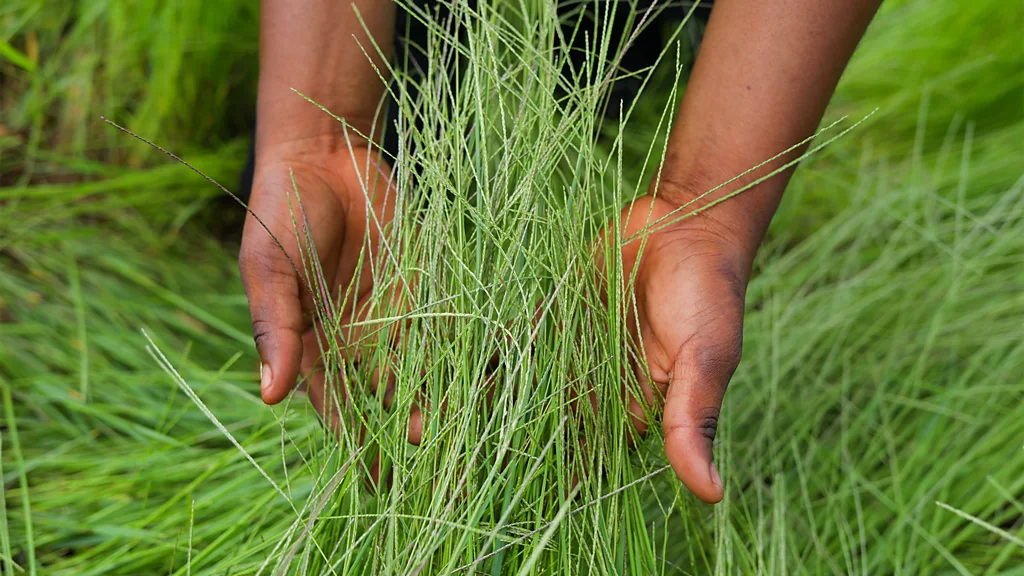
Is the hype around the health benefits of ancient grains actually justified? Scientists say the answer is not as straightforward as it may seem.
Ancient grains are varieties that have remained largely unchanged for hundreds of years. Unlike modern crops such as wheat, which have been selectively bred over time, ancient grains have retained more of their original genetic traits from wild ancestors. Today, they are experiencing a renewed surge in popularity.
They are often promoted with health claims, including the idea that they contain more nutrients than modern grains.
But are they truly healthier than modern grains, which have been shaped by agricultural practices over thousands of years?
Grains vs wholegrains
Grains such as rice, wheat, oats, and corn form a major part of diets worldwide. They provide a significant source of carbohydrates, fibre, and some protein in the human diet.
It is generally recommended that at least half of the grains we eat should be wholegrains. These are grains that have not been heavily processed or milled, meaning they retain all three parts of the grain: the bran, the endosperm, and the germ. Together, these components provide important nutrients such as fibre, protein, vitamin B, iron, and polyphenols.
Wholegrain pasta, for example, has a more earthy flavour and contains more fibre, antioxidants, and vitamins compared with its refined counterpart.
Refined grains, in contrast, undergo processing that removes parts of the original grain structure, resulting in a loss of some fibre and nutrients.
Spelt, for instance, has been cultivated since the Neolithic period, around 12,000 years ago, and has not been significantly altered through modern breeding.
“Grains are refined for taste and properties regarding baking,” says Rilla Tammi, a researcher in nutritional epidemiology at the Finnish Institute for Health and Welfare. “Refining is also linked to a longer shelf life.”
This is because the bran and germ—usually removed during refining—contain fatty acids that can reduce shelf life.
However, diets rich in wholegrains have been linked to a lower risk of several diseases, including type 2 diabetes. Research also suggests an association between regular wholegrain consumption and lower blood pressure. A 2020 review of 17 studies also found that higher intake of wholegrains was associated with reduced risk of cancers such as colorectal, colon, gastric, pancreatic, and oesophageal cancer.
Still, experts caution that these findings should be interpreted carefully. Much of the population-based data may be influenced by confounding factors, as people who eat more wholegrains often follow generally healthier lifestyles, says Julie Miller Jones, professor emerita of foods and nutrition at St. Catherine University in Minnesota.
For example, a Finnish study of more than 5,000 adults found that individuals who consumed more wholegrains also tended to eat more fruits, vegetables, low-fat dairy, and fish, while consuming less red and processed meat.
Enter ancient grains
A growing body of nutritional research suggests a distinction between commonly consumed “modern” grains and less widely used “ancient grains.” Both can be eaten in whole or refined forms, but modern grains have been selectively bred over time to enhance traits such as yield, taste, and resilience.
The wheat and maize we consume today have been shaped by thousands of years of crossbreeding. Corn, for instance, originated from a wild grass called teosinte in Mexico, which produced small seeds rather than large cobs. Similarly, modern wheat evolved through selective breeding from ancient species such as emmer and spelt.
Emmer is considered one of the earliest domesticated cereals, according to researchers. It was first cultivated around 9700 BC in the Levant and later spread across the world with the rise of Neolithic agriculture.
In contrast, ancient grains are often described as varieties that have remained largely unchanged by human intervention, retaining more of their original ancestral characteristics. For example, research suggests that spelt has been cultivated since the Neolithic period, which began roughly 12,000 years ago, and has not been significantly modified since.
Barley also appears in some of the earliest written records from Mesopotamia, dating back around 4,000 years. Around the same period, chia seeds—originating in Mexico—were being grown by the Aztecs.
Modern interest in ancient grains began to resurface in the late 19th and early 20th centuries, according to Amy Bogaard, professor of European archaeology at the University of Oxford’s School of Archaeology in the UK. In many cases, farming communities working on archaeological excavations came across small fragments of grain that they recognised as belonging to species no longer widely cultivated.
These grains were often charred, indicating they had been cooked or exposed to fire by ancient populations, Bogaard explains.
She and her team have since analysed thousands of samples of these charred grains to better understand early farming practices and the soil conditions in which ancient crops were grown.
Today, many of these ancient grains are being reintroduced into modern diets, with some even receiving protected status. One example is einkorn wheat—also known as petit épeautre—which is protected in the Haute-Provence region of France.
Ancient grains are still not widely grown by farmers, who usually prefer modern varieties because they deliver higher yields, according to Chris Seal, emeritus professor of food and human nutrition at Newcastle University.
He explains that most ancient wheat types are less suited to today’s farming conditions. “Under modern agricultural conditions, they don’t do as well,” he says.
One key difference is plant height. Many older wheat varieties grow much taller than modern strains, Seal notes. This makes them more vulnerable to wind damage, causing them to bend or break and ultimately reducing overall yield.
Another reason is their limited usefulness in baking, adds Miller Jones. She explains that plant breeders typically prioritize yield first and then bread-making quality when developing new wheat varieties.
Are ancient grains really healthier than modern grains?
One of the key advantages often linked to ancient grains is that many of them contain little or no gluten. For example, millet comes from a different grass family than wheat, while quinoa is actually a seed related to plants like spinach and chard. Because of this, people with gluten allergies or intolerances can safely include them in their diet, says Seal.
Some studies have also suggested possible health benefits of quinoa, including improvements in early signs of type 2 diabetes. In one experiment, 37 men consumed bread made with quinoa flour daily for four weeks, while another group ate refined white bread. The results showed that the quinoa group experienced lower post-meal blood sugar levels compared to those eating white bread.
However, research published in 2020 found little strong evidence that modern intensive farming has significantly reduced the overall nutritional value of grains. While some minerals such as iron, zinc, and magnesium may have declined since the 1960s in certain studies, the overall differences are often small.
“There is a lot of hype around ancient grains,” says Miller Jones. She explains that while they are clearly beneficial for people who cannot tolerate gluten, beyond that, the difference between ancient and modern grains is often minimal when it comes to health benefits.
Still, Seal notes that research on ancient grains and their health effects remains limited compared with studies on more widely used modern grains. He also explains that it can be difficult to collect accurate data because grain quality is strongly affected by growing conditions, meaning comparisons need to be made under similar environments.
However, one possible health advantage of ancient grains may come less from their nutritional content and more from how they are consumed. As Seal points out, people are more likely to eat them in whole form. “Compared with refined wheat, this means a higher fibre content, and more minerals and vitamins,” he says.
The ancient grain comeback
Climate change is also playing a major role in the renewed interest in ancient grains. Seal explains that some of these traditional crops are more tolerant of harsh conditions and may require fewer pesticides, making them valuable for future food security.
Farmers are increasingly exploring varieties that can survive drought conditions. In parts of Turkey affected by climate-related land degradation, small-scale farmers are reviving ancient wheat types to help restore soil quality. Similarly, in West Africa, researchers are working to bring back fonio, a drought-resistant ancient grain.
Overall, experts suggest that ancient grains alone may not fully justify the health hype surrounding them. Instead, the real benefit comes from eating a wide variety of grains—especially wholegrains, as was common in earlier diets.
“There’s a huge range of crops we completely neglect now,” says Bogaard. She explains that in traditional farming systems, cereals were always grown alongside other crops rather than being focused on so few varieties as they are today.
Miller Jones agrees, emphasizing that variety is key. “If you eat all different kinds of grains, you’re getting a whole array of vitamins,” she says. “Variety is the best strategy.”
About the Author