
Ambassador Asim Iftikhar Ahmad warned that any disruption is damaging the global economy, affecting livelihoods, and posing risks to food security.
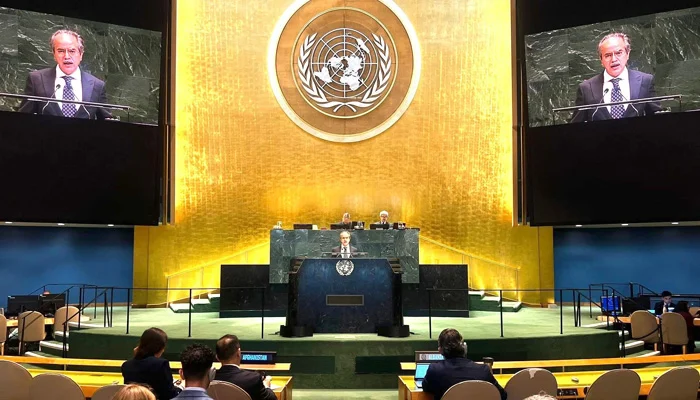
Pakistan has urged the prompt restoration of normal maritime traffic through the Strait of Hormuz, cautioning at the United Nations that continued disruptions are affecting global trade, energy supplies, and vulnerable communities.
“Pakistan calls for the security of ships and crew members, and the swift and safe passage of civilian vessels, as well as the restoration of normal passage through the Strait,” said Ambassador Asim Iftikhar Ahmad during the General Assembly veto debate.
In his statement, Pakistan’s Permanent Representative expressed that the country remains “deeply concerned” over recent developments in the Middle East, noting that the conflict “should never have happened” due to its wide-ranging consequences.
He noted that Pakistan has prioritised de-escalation and diplomacy from the outset, and hosted the Islamabad Talks on April 11–12 as part of efforts to secure a ceasefire and advance long-term regional stability through the “Islamabad Process.”
Highlighting the economic impact, the envoy said disruptions in the Strait of Hormuz are negatively affecting countries around the world, including Pakistan, with consequences for energy supplies, fertilisers, and essential goods.
He added that the situation is impacting not only energy flows but also access to fertilisers and other key commodities, thereby threatening food security, increasing the cost of living, and placing additional pressure on vulnerable populations.
Warning against further escalation, he said continued military tensions would deepen human suffering and extend economic hardship beyond the region, while a return to peace would serve the interests of all stakeholders.
The ambassador also reiterated Pakistan’s support for the sovereignty and security of regional states, expressing “continued and unwavering support and complete solidarity with the fraternal GCC countries.”
He further stated that Pakistan’s diplomatic outreach—including engagements with Washington, Tehran, and other regional partners—aims to encourage dialogue and create space for meaningful negotiations.
Reaffirming Islamabad’s stance, he said Pakistan will continue to play a constructive role in promoting dialogue, mutual understanding, and efforts toward lasting peace in the region.
About the Author