
Middle East War Hits Mine Development, Driving Up Costs and Supply Disruptions
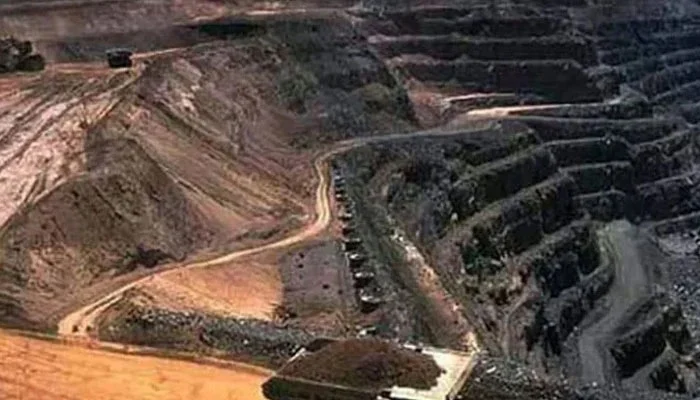
Barrick Mining is delaying its large copper and gold project in Pakistan due to the ongoing Middle East war and rising security concerns in the country, The News reported, citing the Financial Times.
The Toronto-based company initiated a review of the Reko Diq project last month.
“Following preliminary findings from the review and considering the escalation of security issues in Pakistan and the Middle East, the company finds it necessary to further assess potential impacts and delivery strategy,” Barrick informed its Pakistani equity partners and the project’s local operator, according to correspondence seen by the FT.
As a result, development activity will be slowed, with reduced project spending for a 12-month period starting in July. The review and slower pace will affect previously announced budgets and timelines.
Barrick declined to comment further. Reko Diq has the potential to become one of the world’s largest copper-gold mines, though industry experts warn that it will be an expensive and challenging project to develop.
Barrick owns 50% of the Reko Diq mine and controls its board, while the remaining stake is held by three Pakistani state-owned enterprises and the Balochistan provincial government. Sources involved with the project said they had been informed of Barrick’s plan ahead of a project board meeting next week, which is set to finalize the mine’s strategy.
The delay means that first production is now expected no earlier than 2029. Previously, production had been projected to start in 2028—a timeline local partners privately considered ambitious. The escalating conflict in the Middle East has disrupted global markets, driving oil and gas prices higher, causing shortages of key materials, and further destabilizing the region.
The war in Iran has complicated the transport of fuel and mining equipment from the Gulf, while rising energy costs are forcing a reassessment of the total $9 billion project budget, sources said.
The decision is a setback for Pakistan’s efforts to develop mineral-rich but underdeveloped Balochistan and to secure foreign exchange that could help ease mounting public debt. The country, facing financial strain, has cycled through over two dozen IMF bailout programs, with the current arrangement having begun in 2024.
Barrick has projected that the Reko Diq mine could generate over $70 billion in free cash flow over the next 37 years. Located in western Balochistan near the Afghan and Iranian borders, the mine is expected to produce up to 400,000 tonnes of copper and 500,000 ounces of gold annually once both phases are completed, according to the company.
The sudden departure of former CEO Mark Bristow last year has also raised questions about the project’s future. Bristow was a strong supporter of Reko Diq and had cultivated close ties with Pakistan’s leadership, while new CEO Mark Hill is viewed as more risk-averse, according to sources familiar with the project.
Copper is a critical mineral globally, with countries competing to secure supplies amid growing demand and an anticipated medium-term shortage. The US Export-Import Bank indicated to the Financial Times last year that its early financing under new leadership would include a $1.25 billion loan for Reko Diq.
Copper, essential for everything from cabling to construction, is also a critical material for the rapid expansion of AI data centres. However, aging mines and challenges in developing new ones have led to declining production and a sharp surge in copper prices.
Gold has similarly seen dramatic gains over the past year, reaching a series of record highs, with prices peaking in January at over $5,000 per troy ounce.
About the Author