
Blue Light’s Effect on Sleep May Be Less Significant Than Previously Thought
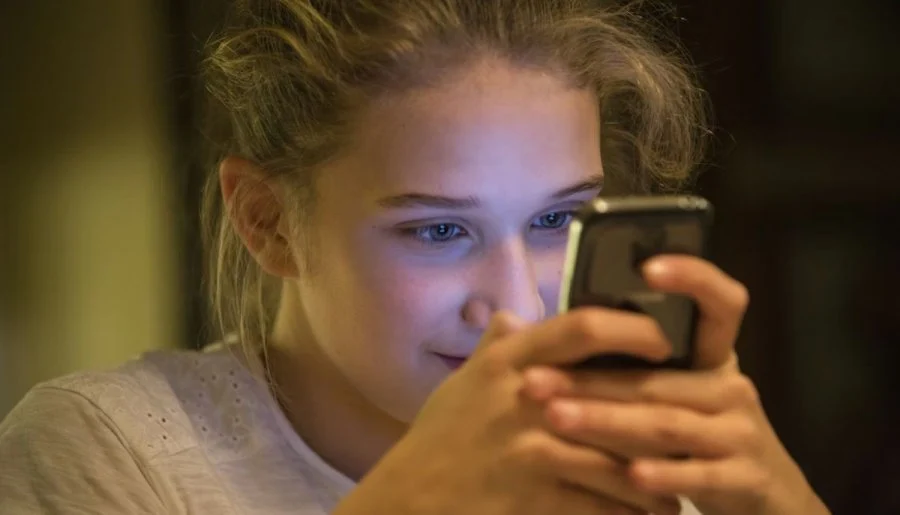
For years, phones and laptops have been blamed for disrupting sleep due to their blue light. However, new research suggests the problem may extend beyond just screen exposure.
A BBC report highlighted a study that investigated the effects of eliminating blue light at bedtime. Using blackout curtains and specialized goggles, researchers found that screens had less impact on sleep than previously thought.
Concerns about blue light began after a 2014 study showed that people using screens before bedtime tended to sleep later and produced less melatonin. Blue light affects the body’s internal clock, which regulates sleep and wake cycles.
However, experts now believe real-world results differ from laboratory experiments. Jamie Zeitzer, a Stanford University researcher, notes that the light from screens is relatively weak and unlikely to disrupt sleep significantly at night.
Daytime light exposure, on the other hand, plays a much stronger role. Modern indoor lifestyles often limit exposure to natural sunlight, reducing the body’s ability to distinguish between day and night. Even on cloudy days, outdoor light can reach around 10,000 lux, far brighter than indoor lighting or phone screens.
Experts recommend spending time outdoors in the morning and limiting light exposure after sunset to improve sleep quality.
Researchers also point out that device usage itself—such as late-night scrolling through engaging content or social media—may be more disruptive than the light emitted. The brain stays active, delaying sleep onset.
Zeitzer emphasizes that it’s not just light keeping people awake, but the stimulation from content. Combining good bedtime habits with moderate evening light—like dimming lights, increasing daytime exposure, and maintaining consistent sleep schedules—provides more effective sleep benefits than blue light avoidance alone.
About the Author