

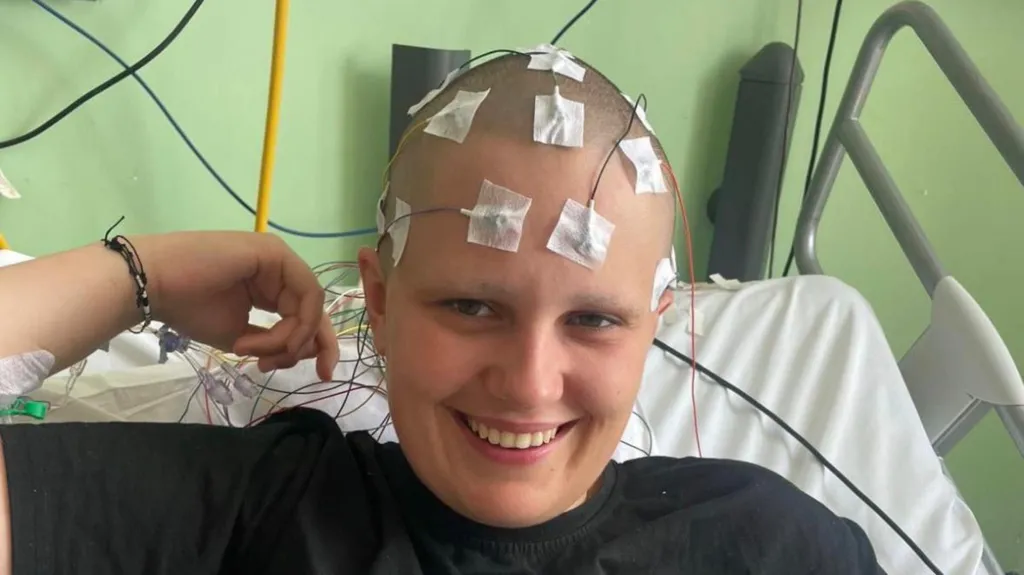
ChatGPT has reportedly helped identify a woman’s rare condition after years of being misdiagnosed by doctors.
Phoebe Tesoriere, 23, said she had previously been told she was experiencing anxiety, depression, and epilepsy, and was even warned she could be treated as a mental health patient if she continued visiting A&E.
After spending three days in a coma following a seizure, Phoebe, from Cardiff, entered her symptoms into the AI chatbot.
She said it suggested several possible conditions, including hereditary spastic paraplegia, which she later discussed with her GP. Genetic testing eventually confirmed the diagnosis.
Cardiff and Vale University Health Board responded by saying, “We are sorry to hear about Phoebe’s experience while in our care.”
GP Dr Rebeccah Tomlinson advised that while people may use AI tools to research health concerns, any findings should always be reviewed with a medical professional.
Meanwhile, a recent University of Oxford study found that AI-generated healthcare advice can be inconsistent, offering a mix of accurate and misleading information, making it difficult for users to determine what to trust.
Phoebe said she understands the difficulties doctors faced in diagnosing her condition, but turned to AI after finding the experience “really lonely.”
“I had to fight to be heard,” she said.
“I had a limp throughout my childhood.
“I was born without a hip socket and had surgery as a baby, so I assumed it was related to that.”
She also struggled with balance as a child and was tested for dyspraxia, a condition that affects coordination, but the results came back negative.
At the age of 19, Phoebe collapsed at work and suffered a seizure.
About the Author