
Cost of Iran war becoming unbearable for world, mainly due to energy crisis
Many years ago, when our war with India broke out in 1965, I had just started my career as a young reporter at an English evening newspaper. By chance, I was asked to write a column on the war for the group’s Urdu daily, Hurriyet. The task was clear: find historical examples that could boost people’s morale and stir their patriotism.
Around that time, I came across a review of a new book titled Russia at War 1941‑45 by Alexander Werth, who had served as a BBC correspondent in the Soviet Union during the Second World War. I managed to get a copy and was immediately captivated. Drawing from his personal experiences, Werth vividly described the extraordinary resilience of the Soviet people, portraying their struggle in profoundly human and compelling terms.
One of the books I have always cherished is Alexander Werth’s Russia at War 1941‑45. Though its pages are now worn, I retrieved it this week from the clutter of my collection and began revisiting it while reflecting on the war currently raging in Iran and across the Middle East.
I was reminded, with a touch of nostalgia, of the material I had drawn from Werth’s book for my Urdu columns decades ago. There was so much rich content that only a few references could be included. The story of Leningrad—now Saint Petersburg—and how its citizens endured siege and famine remains particularly moving.
I also recall writing about the poem “Wait for Me”, in which a soldier departing for the front tells his beloved: “Wait for me, and I will return, only wait very hard.” Werth noted: “It is difficult at this distance, except for those who were in Russia at that time, to realise how important a poem like this was to literally millions of Russian women; no one could tell how many hundreds of thousands had died at the front or had been taken prisoner or were otherwise missing.”
It is astounding that the Soviet Union suffered the highest number of casualties in the Second World War, with deaths estimated between 24 and 27 million. At first glance, this may seem like a historical aside, but it underlines an essential truth: the morale of a people in wartime or deep crisis is critical. A nation’s strength is ultimately determined by the character, resilience, and spirit of its people. The patriotic resolve of the Russian people was evident during the Great Patriotic War, even under Joseph Stalin’s authoritarian rule.
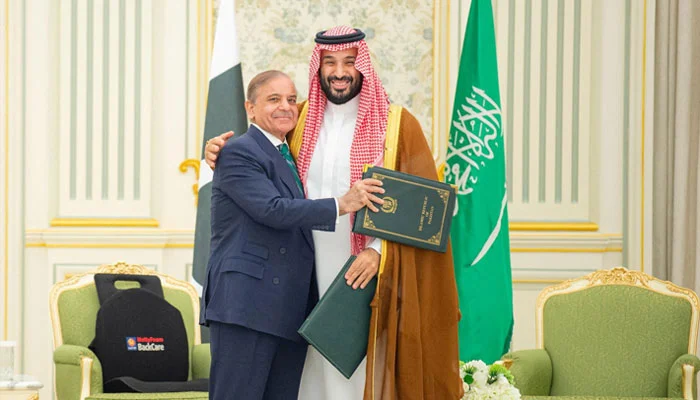
This reflection naturally brings me to Pakistan’s present situation. Our country faces enormous challenges due to complex relations with Iran, the US, and Gulf states. We are bound by a security pact with Saudi Arabia, and tensions with Afghanistan persist. It is a precarious moment, and uncertainty looms.
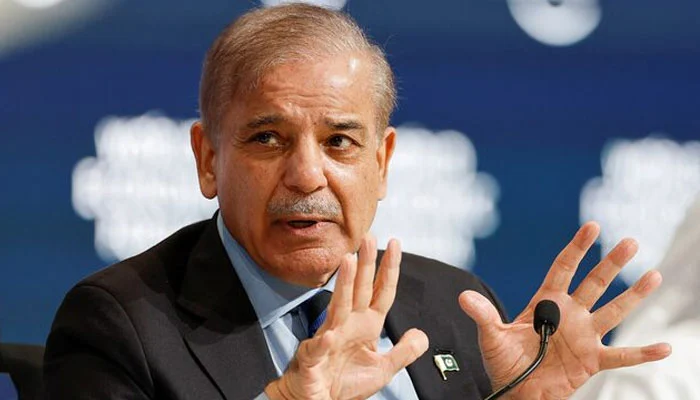
What kind of social capital does Pakistan possess? Are its citizens capable of enduring hardship with discipline? Economic indicators such as rising petrol prices and austerity measures announced by Prime Minister Shehbaz Sharif are relevant, but a society’s true strength lies in its civilisational and moral foundations, and in its people’s willingness to make sacrifices for the national good.
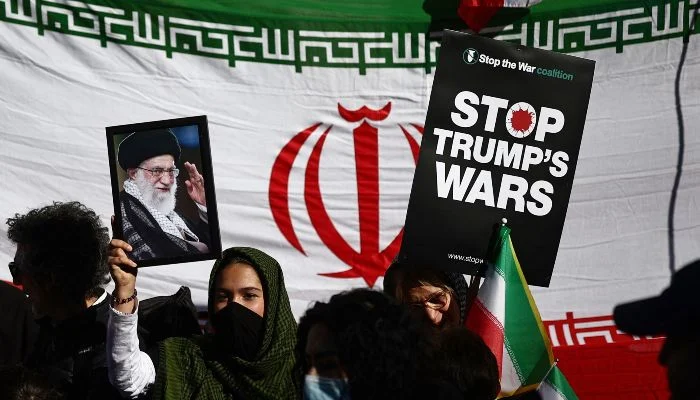
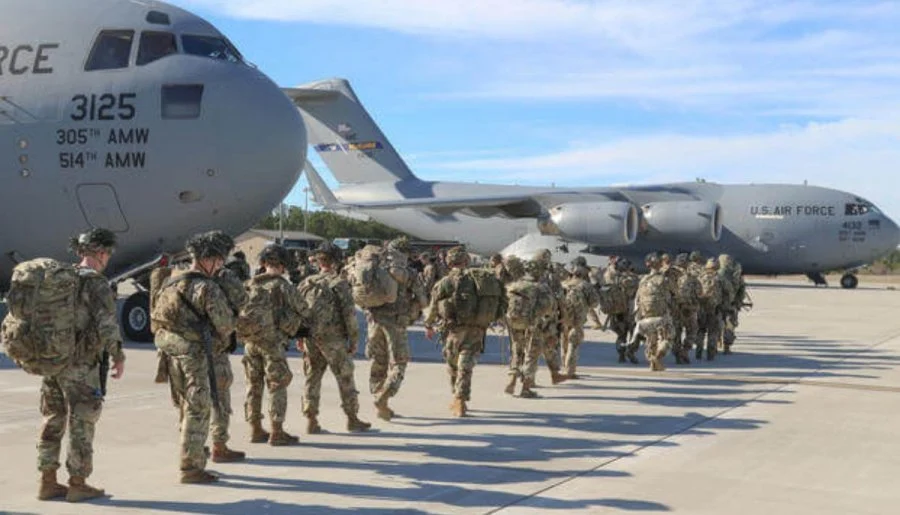
Meanwhile, the ongoing war in Iran has demonstrated remarkable resilience. The Iranian forces’ endurance in the face of sustained American and Israeli strikes has surprised observers worldwide. Historians and journalists are already documenting the human stories emerging from this confrontation between Iran and one of the world’s most powerful militaries.
Social media analysts are exploring why Operation Epic Fury has failed to achieve regime change in Iran or accomplish the objectives vaguely articulated by former President Trump. Meanwhile, the global cost of the conflict, especially through the energy crisis, is becoming increasingly unbearable.
Iran at war has become a spectacle that has confounded many. Noted Iranian-American writer and scholar Reza Aslan explored this phenomenon in a recent piece for The New York Times. Based in Los Angeles and part of the Iranian diaspora, Aslan rejects the notion that an American president could be Iran’s liberator. His article, titled “The Mistake That Iranians Make About America,” was further discussed in his interview with Christiane Amanpour on CNN.
Aslan observes that while American leaders speak of helping Iranians take control of their government, they appeal to “a powerful longing.” Yet, history shows that externally imposed regime change rarely produces the democratic outcomes imagined within a nation. He writes:
“Iran is older than any regime that has ruled it—older than the revolution, older than the shahs, older than the foreign powers that have sought to shape its fate. Across three millennia of poetry, philosophy, empire, and renewal, this civilisation has outlasted conquerors and kings, clerics and generals. It has done so not because a saviour from abroad intervened, but because its people endured—sustained by a fierce pride in their language and heritage, by a literary and intellectual tradition that has survived invasion and upheaval, by a collective memory shaped as much by resistance as by rule.”
About the Author