
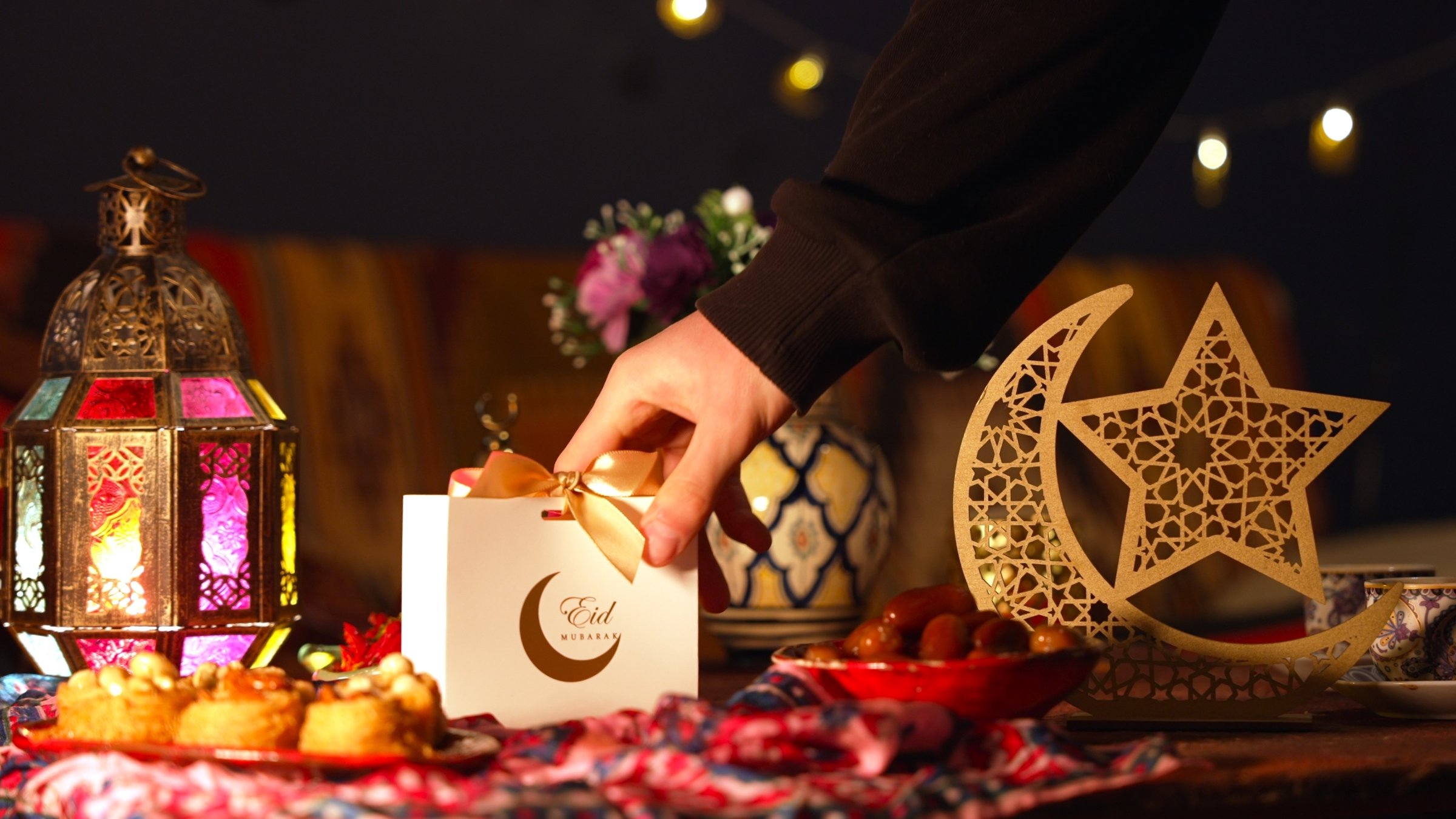
Muslims around the world are bidding farewell to the holy month of Ramadan and preparing to celebrate Eid al-Fitr. The occasion is usually welcomed with joy, marked by congregational prayers and festivities that include family visits, social gatherings, outings, and wearing new clothes.
This year, however, Eid arrives against the backdrop of the Iran conflict 2020s, which has unsettled many countries across the Middle East and created ripple effects beyond the region.
In the United States, many Muslims observed Ramadan under the shadow of both domestic and global concerns, including fears over immigration crackdowns, rising anti-Muslim rhetoric, and ongoing conflict in the Middle East, where many have family ties.
Eid al-Fitr marks the end of Ramadan, a sacred period during which observant Muslims fast daily from dawn to sunset. The month emphasizes worship, charity, and good deeds, often bringing communities together for shared meals to break the fast. The term Eid al-Fitr translates to the “festival of breaking the fast.”
Because Islam follows a lunar calendar, the timing of Ramadan and Eid shifts each year. In 2026, Eid is expected to fall around March 20, though the exact date may vary depending on moon sightings in different countries. A common greeting during this time is “Eid Mubarak,” meaning “Blessed Eid.”
In Indonesia, millions travel back to their hometowns in a mass homecoming tradition, reuniting with loved ones for prayers and celebrations. Markets become crowded ahead of the holiday as people shop for clothes, shoes, and traditional sweets.
In Malaysia, Eid begins with morning prayers at mosques, followed by seeking forgiveness from family and visiting the graves of relatives. The “open house” tradition allows friends and neighbors to visit freely, sharing meals and festive dishes, while elders give children money in green envelopes.
In Egypt, families celebrate with prayers and visits to relatives, and many travel for leisure. Children, dressed in new outfits, receive cash gifts known as “eidiya,” while special Eid cookies dusted with powdered sugar remain a beloved tradition.
Meanwhile, in the United States, Muslim communities—rich in ethnic and cultural diversity—gather for Eid prayers and community festivals. These events often feature activities for children and families, such as face painting and balloon art, reflecting the celebratory spirit of the holiday.
About the Author