
Khoosat says the Pakistani film industry has been facing a “semi-gradual decline” over the past 20 years.
BERLIN: The Berlin Film Festival, which concludes on Saturday, marked a historic moment earlier this week by screening its first feature film fully produced in Pakistan.
Lali,” directed by Sarmad Sultan Khoosat, premiered on Thursday at a packed screening and received a warm response from members of Berlin’s Pakistani community, including the country’s ambassador to Germany.
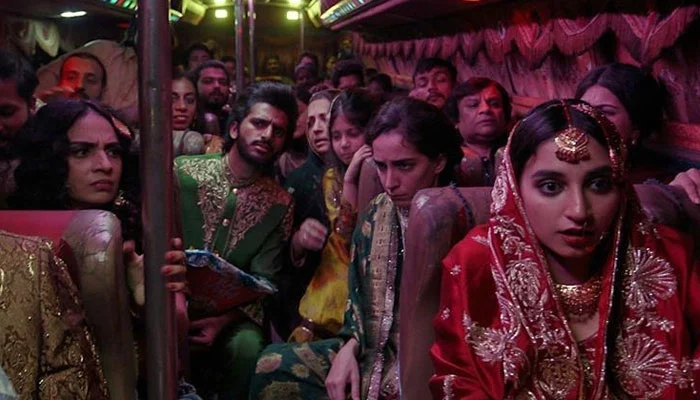
The Punjabi-language black comedy follows Sajawal (Channan Hanif) and his new bride Zeba (Mamya Shajaffar). In their working-class neighborhood in Sahiwal, locals whisper that Zeba is cursed, as her previous suitors died under mysterious circumstances.
Khoosat told AFP that representing Pakistan at the festival brought “a good sense of achievement, but also a sense of responsibility.” He described the recognition as a “sign of validation” for a story deeply rooted in its own cultural identity.
The film captures Punjab’s lively humor, reflected in the character of Sajawal’s mother, the formidable Sohni Ammi. The story opens with her urging men in the neighborhood to fire guns in celebration of the wedding—only for her to be shot in the leg.
‘New generation’ of filmmakers
The dark humor is balanced with deeper themes such as desire, sexuality, and unresolved trauma, along with subtle hints of magic and the supernatural. However, Khoosat emphasized that nothing shown on screen is beyond the bounds of reality.
The film follows a man who falls in love with the trans director of a dance troupe and has received widespread critical acclaim, including the Jury Prize and the “Queer Palm” at Cannes. Khoosat served as a producer on that project, while Sadiq contributed as an editor on “Lali.”
Asked whether he believes such films can elevate Pakistani cinema’s global standing, Khoosat noted that the industry has been struggling, facing a “semi-gradual decline” over the past 20 years.
Before, we had a thriving cinema scene that produced over 100 films a year,” he said.
However, Khoosat noted that Pakistani cinema has struggled to adapt to the rise of other media and has not kept pace with the preferences of newer audiences.
Could films like “Lali” help bring fresh recognition to Pakistani cinema?
Khoosat expressed hope that such international exposure would translate into a stronger domestic industry. “This opportunity for visibility on such platforms—I just wish it could lead to a more thriving film industry,” he said.
He also emphasized the emergence of a new generation of filmmakers who need support and opportunities to create more work.
About the Author