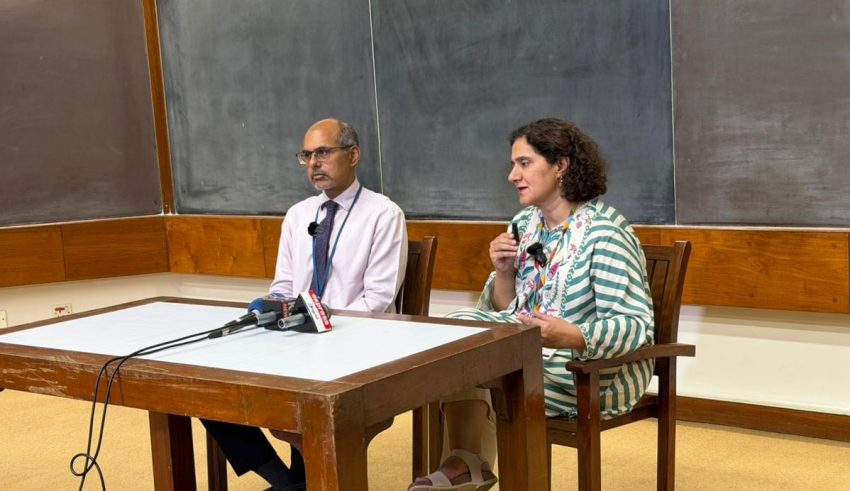

“Pakistan has secured one of its most significant diplomatic victories in years,” said South Asia expert Michael Kugelman.
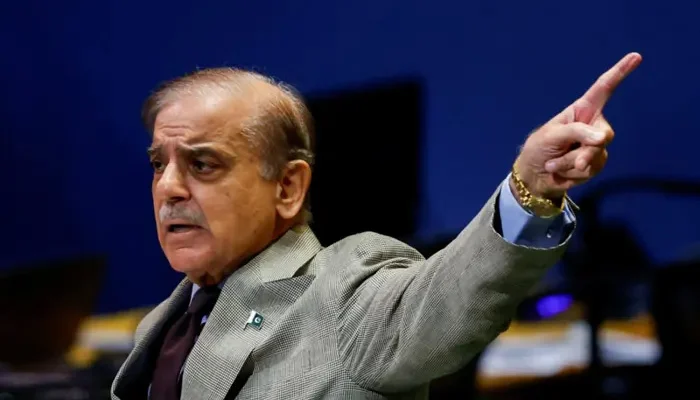
Pakistan has positioned itself as a key mediator in negotiations between Iran and the United States, helping secure a temporary ceasefire and laying the groundwork for talks aimed at ending the war in the Middle East.
On Wednesday, Prime Minister Shehbaz Sharif announced that, following Pakistan’s mediation efforts, the US, Iran and their allies had agreed to a ceasefire “everywhere,” setting the stage for further discussions in Islamabad.
Prime Minister Shehbaz Sharif said the two-week truce — previously announced by the US and Iran — would pave the way for negotiations in Islamabad.
“Pakistan has secured one of its most significant diplomatic victories in years,” said South Asia expert Michael Kugelman in a post on X.
“It has also proven wrong many skeptics who doubted the country’s ability to successfully manage such a complex, high-stakes undertaking.”
Pakistan’s Ties to Iran
“Pakistan has strong credentials as the only country in the region maintaining good relations with both the US and Iran,” said former Pakistani ambassador to Tehran Asif Durrani.
Pakistan shares a 900-kilometre (560-mile) border with Iran in its southwest and maintains deep historical, cultural, and religious connections. It is home to the world’s second-largest Shia Muslim population after Iran. Tehran was the first country to recognize Pakistan in 1947, and Pakistan reciprocated after the 1979 Islamic Revolution. Additionally, Pakistan represents some Iranian diplomatic interests in Washington, where Iran has no embassy.
Pakistan’s Relations with the US
Chief of Defence Forces and Chief of Army Staff Asim Munir has cultivated a personal rapport with US President Donald Trump. He visited Washington last year alongside Prime Minister Shehbaz Sharif during heightened tensions with India in the Indian Illegally Occupied Jammu and Kashmir.
PM Shehbaz praised Trump’s “bold and visionary” intervention, calling it Nobel Peace Prize-worthy for preventing escalation between the nuclear-armed neighbors. Trump also acknowledged that Pakistan understands Iran “better than most.” Personal relations have long strengthened ties, even amid periods of strain, such as post-9/11 tensions despite Pakistan being a non-NATO ally in the “war on terror.”
Relations with Other Regional Players
In 2025, Pakistan and Saudi Arabia signed a strategic mutual defense agreement, cementing ties while limiting Islamabad’s freedom to fully support Tehran. PM Shehbaz has worked to keep Riyadh aligned, including a recent visit to meet Crown Prince Mohammed bin Salman.
Pakistan also maintains close relations with China, which helped bring Iran to the negotiating table. Last month, Foreign Minister Ishaq Dar hosted a meeting with Saudi Arabia, Turkey, and Egypt, followed by talks in Beijing. China, Iran’s largest trading partner, expressed support for Pakistan’s “unique and important role” in de-escalating the conflict.
Why Pakistan’s Neutrality Matters
Remaining neutral makes economic sense. Pakistan relies on oil and gas imports through the Strait of Hormuz and seeks to avoid being drawn into regional conflicts. Continued war would have disrupted fuel supplies, increased prices, and forced further austerity for the cash-strapped government. A permanent resolution would enhance both regional stability and Pakistan’s international standing, especially amid ongoing tensions with Afghanistan and India.
Pakistan’s Next Role
PM Shehbaz said he would welcome US and Iranian delegations to Islamabad from April 10.
“Iran will feel more comfortable in Islamabad, which is why it accepted Pakistan’s mediation,” said Durrani, noting Pakistan could help resolve outstanding issues. If talks are direct, Pakistan may assist in fine-tuning agreements or act as an intermediary if parties refuse face-to-face discussions.
Pakistan does not formally recognize Israel. While Israel supported Trump’s suspension of bombing, the two-week ceasefire did not include Lebanon, contradicting PM Shehbaz’s earlier statement that the truce applied “everywhere including Lebanon.”
About the Author