

Gallup data indicates that international departures declined sharply, falling from 1,127 flights between February 1–10 to just 572 flights during March 1–10
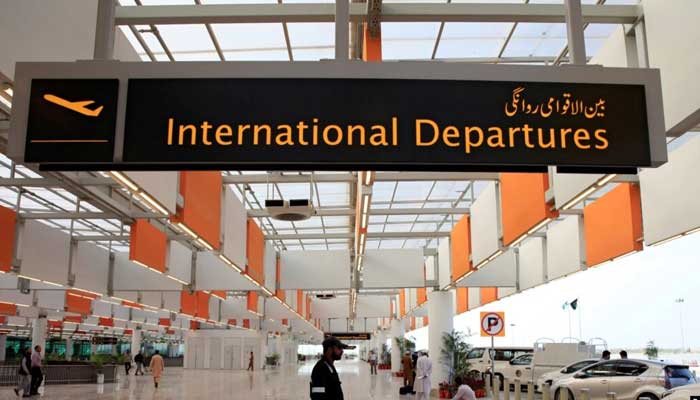
The international aviation sector in the country has seen a sharp decline in outbound travel in early March, with departures dropping by nearly half amid rising regional tensions linked to the Iran conflict, The News reported on Thursday.
Data from Gallup Pakistan Digital Analytics shows that international departures fell from 1,127 flights between February 1 and February 10 to just 572 flights from March 1 to March 10—marking one of the steepest short-term declines in recent aviation trends.
Analysts say the sudden drop is mainly due to widespread airspace disruptions following heightened geopolitical instability in late February. Restrictions over Iranian and parts of Gulf airspace forced airlines to cancel flights, reroute operations, and reduce frequencies, significantly impacting Pakistan’s outbound connectivity.
Pakistan’s aviation network relies heavily on Middle Eastern transit routes, making it especially sensitive to such disruptions. Even short-term instability in the region has had an immediate effect on flight activity.
The data also indicates a change in travel patterns. While February saw a broader spread of outbound travel to Gulf hubs such as Dubai and Jeddah, March traffic became more focused on Saudi destinations, including Jeddah and Riyadh. This suggests that essential and religious travel continued, while non-essential travel declined significantly.
Experts note that the development underscores how vulnerable Pakistan’s aviation sector is to external shocks, particularly geopolitical tensions that disrupt key transit routes.
The findings are drawn from a comparative analysis of international departure data for February 1–10 and March 1–10, 2026, taken from the Gallup Pakistan Digital Analytics Aviation Dashboard.
About the Author