
A social listening report from Ipsos shows a significant shift in global public opinion, highlighting a dramatic improvement in Pakistan’s diplomatic standing.
ISLAMABAD: Following Prime Minister Shehbaz Sharif’s announcement of a 14-day ceasefire between the United States and Iran, global sentiment toward Pakistan has shifted sharply—from 90% negative in late March to more than 70% positive as of April 8, 2026, according to The News on Saturday.
A social listening report by Ipsos highlights a striking turnaround in international public opinion regarding Pakistan’s diplomatic role and standing.
The initial spike in online discussion began on March 23, following high-level talks between Pakistan’s leadership and officials from both the United States and Iran. At that time, global reactions were largely skeptical.
According to the report, critics pointed to several reasons for the negative sentiment, including domestic instability in Pakistan’s political and economic landscape, ongoing regional tensions in Afghanistan, and concerns over credibility—particularly whether Pakistan could remain neutral while being seen as aligned with US objectives.
Negative sentiment was especially strong in the United States, India, and even within Pakistan, where some users questioned the government’s legitimacy and strategic direction.
However, sentiment shifted dramatically after the April 8 ceasefire announcement, when Prime Minister Shehbaz Sharif declared a two-week truce. The move triggered renewed global attention, but with a significantly more positive tone.
The report describes this as a “transformative moment” in digital discourse, marked by several key trends:
Global gratitude: The hashtag #ThankYouPakistan began trending as users credited Pakistan with helping avert a broader conflict.
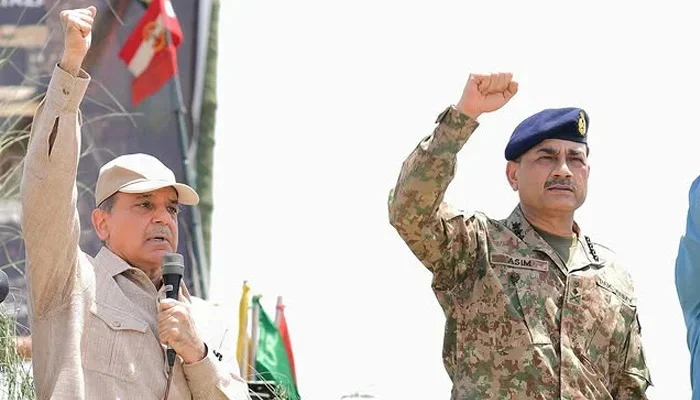
Leadership praise: International audiences highlighted the coordination between Prime Minister Shehbaz Sharif and Field Marshal Asim Munir.
Economic optimism: Many expressed hopes that the ceasefire could lead to the reopening of the Strait of Hormuz and ease the global fuel crisis.
Notably, the shift toward positivity extended even into traditionally critical regions, with some social media users in India praising Pakistan’s diplomatic role while criticizing their own government’s limited involvement in mediation efforts.
As the 14-day ceasefire continues, attention now turns to Islamabad, where US and Iranian delegations have been invited for negotiations on a potential permanent agreement, which began on Friday.
Overall, the Ipsos data suggests Pakistan’s international image has shifted from being viewed as a “pariah state” to a “mediator-in-chief” on the global stage.
About the Author