
According to a statement from the PM Office, Pakistan Day will be observed with a “simple flag-hoisting ceremony.”
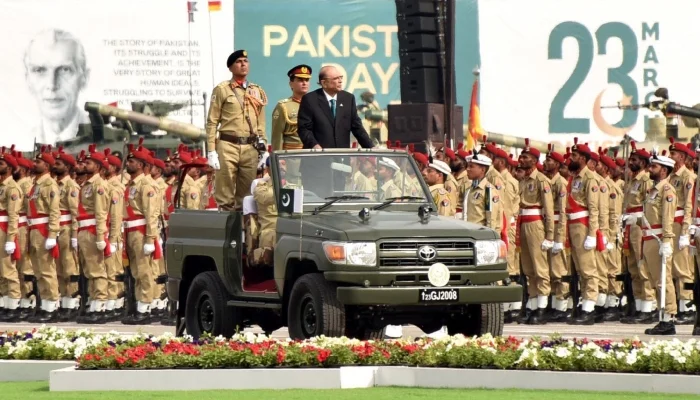
The federal government announced on Tuesday that this year’s Pakistan Day parade and ceremonial events will not be held, citing “austerity measures” related to the Gulf crisis.
Observed annually on March 23 as a public holiday, Pakistan Day is usually celebrated with parades, military flypasts, and cultural events across the country.
“In the backdrop of the ongoing Gulf oil crisis and the consequent austerity measures announced by the government, it has been decided that the Pakistan Day Parade and associated ceremonial events shall not be held next Monday,” a statement from the PM Office said.
Instead, the day will be observed “with dignity and reverence through a simple flag-hoisting ceremony,” the statement added.
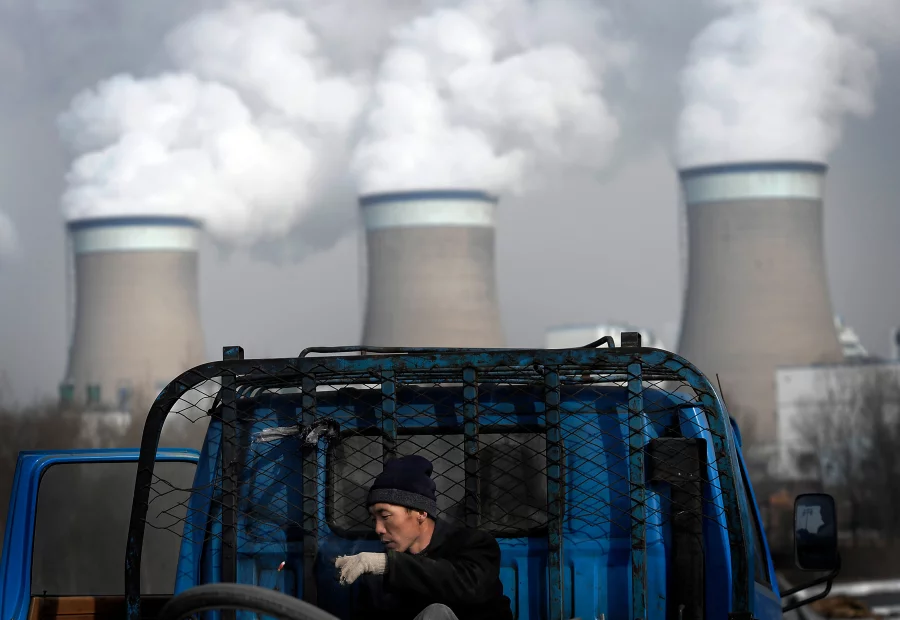
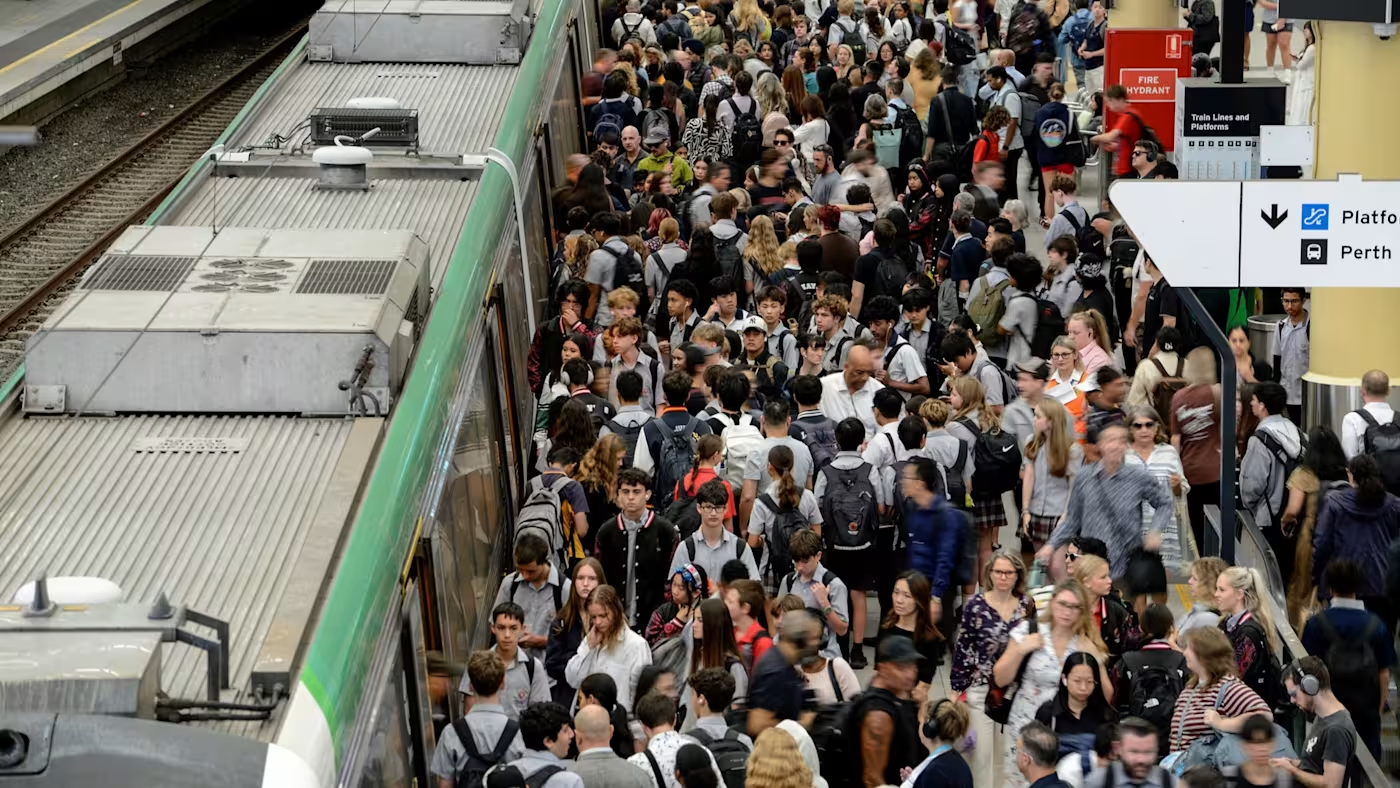
The decision aligns with broader belt-tightening measures introduced by PM Shehbaz Sharif last week, including reducing the government workweek to four days, implementing work-from-home policies, and closing schools to conserve fuel.
The federal government announced on Tuesday that this year’s Pakistan Day parade and ceremonial events will be canceled due to “austerity measures” tied to the Gulf crisis.
Pakistan Day, observed every year on March 23 as a public holiday, is traditionally marked with parades, military flypasts, and cultural events across the country.
“In the backdrop of the ongoing Gulf oil crisis and the consequent austerity measures announced by the government, it has been decided that the Pakistan Day Parade and associated ceremonial events shall not be held next Monday,” said a statement from the PM Office.
Instead, the day will be observed “with dignity and reverence through a simple flag-hoisting ceremony,” it added.
The decision follows broader cost-saving measures announced last week by PM Shehbaz Sharif, including reducing the government workweek to four days, introducing work-from-home policies, and closing schools to conserve fuel.
Pakistan relies heavily on oil and gas from the Gulf, and last week vessels transporting fuel were provided naval escorts to ensure uninterrupted supplies amid the Middle East crisis.
Rising oil prices have pushed fuel costs higher at the pump, while regional tensions have prompted the return of around 4,000 people, including students, from neighbouring Iran.
Separately, PM Shehbaz Sharif chaired a high-level meeting to review the implementation of fuel conservation and austerity measures.
During the meeting, the prime minister instructed the petroleum minister to further strengthen efforts to improve Pakistan’s petroleum import supply chain, according to a statement from the PM Office. He emphasized that all relevant institutions should remain prepared to implement emergency measures until the situation stabilizes.
Officials reported that the prime minister’s directives were being actively enforced, and that the entire situation was being closely monitored, with detailed records of petroleum products maintained to quickly identify any irregularities.
On Monday, a meeting led by the finance minister noted that current stock levels and scheduled imports indicate Pakistan has “comfortable inventories of crude oil and key petroleum products for March, with sufficient planning in place to ensure continued availability during April.”
About the Author