

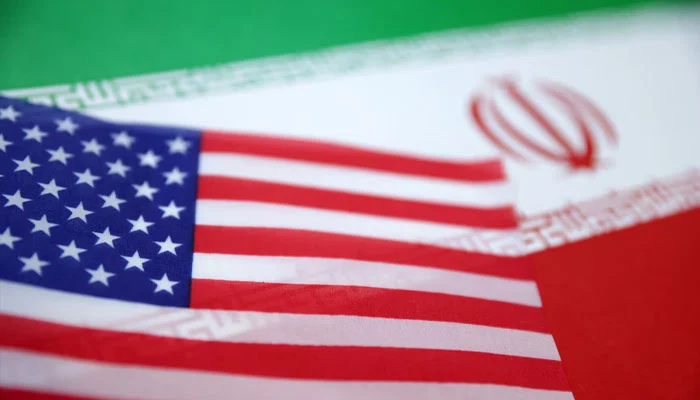
Pakistan, together with other regional mediators, is actively pursuing diplomatic efforts to negotiate a potential 45-day ceasefire between Iran and the United States, which could pave the way for a permanent end to the conflict, Axios reported, citing four U.S., Israeli, and regional sources.
However, the sources warned that the likelihood of reaching even a partial agreement within the next 48 hours remains low. They described the current diplomatic push as the last chance to prevent a major escalation that could involve large-scale strikes on Iranian civilian infrastructure and retaliatory attacks on energy and water facilities across Gulf states, according to the report.
U.S. President Donald Trump had initially set a 10-day deadline for Iran, which was set to expire Monday evening. However, speaking to the Wall Street Journal on Sunday, he extended the deadline to Tuesday evening for Iran to reopen the Strait of Hormuz or face attacks on critical infrastructure.
“There is a good chance, but if they don’t make a deal, I am blowing up everything over there,” Trump said, reiterating threats against infrastructure vital to Iranian civilians.
The U.S. and Israel have conducted missile strikes and air attacks on Iran for more than five weeks, citing imminent threats from Iran’s nuclear program, ballistic missile arsenal, and support for regional proxy militias.
In response, Tehran has effectively closed the Strait of Hormuz, a crucial route for around a fifth of global oil and natural gas supplies, and has attacked U.S. military bases and other targets across the Gulf.
Two sources told Axios that operational plans for a large-scale U.S.-Israeli bombing campaign targeting Iran’s energy facilities are ready, but the extension of Trump’s deadline is intended to provide one last opportunity for a diplomatic resolution.
Four sources familiar with the negotiations said discussions are taking place through Pakistani, Egyptian, and Turkish mediators, as well as via text messages exchanged between Trump’s envoy Steve Witkoff and Iranian Foreign Minister Abbas Araghchi.
Pakistan has emerged as a key mediator in one of the region’s most severe conflicts, which escalated after joint U.S.-Israeli attacks on Iran on February 28.
A U.S. official said Washington has presented several proposals to Tehran in recent days, none of which have been accepted so far. Mediators are reportedly negotiating a two-phase deal: the first phase would implement a potential 45-day ceasefire, providing time to negotiate a permanent end to the war. This ceasefire could be extended if necessary.
The second phase would focus on a comprehensive agreement to formally end hostilities. Mediators indicated that fully reopening the Strait of Hormuz and resolving Iran’s highly enriched uranium—through either removal or dilution—would only be possible as part of a final deal.
Confidence-building measures are also under discussion, including partial Iranian steps on Hormuz access and uranium, while seeking assurances from Washington that any ceasefire would be durable. Iranian officials have expressed concerns about entering arrangements similar to past ceasefires in Gaza or Lebanon, where hostilities resumed despite formal agreements.
At the same time, mediators are exploring potential U.S. measures to meet Iranian demands and foster trust between the parties. Officials involved in the talks warned that any U.S.-Israeli strikes on Iran’s energy infrastructure could provoke severe retaliation targeting oil and water facilities across the Gulf.
Mediators have emphasized to Tehran that the next 48 hours represent a critical window to secure a deal and avoid widespread destruction. Despite this urgency, Iranian officials continue to take a hardline public stance, rejecting concessions. The Iranian Revolutionary Guards Corps Navy also stated that conditions in the Strait of Hormuz would “never return” to pre-war norms, particularly for the U.S. and Israel.
The White House declined to comment on the ongoing negotiations.
About the Author