
Sources say Islamabad will return $2bn to Abu Dhabi by the end of this month.
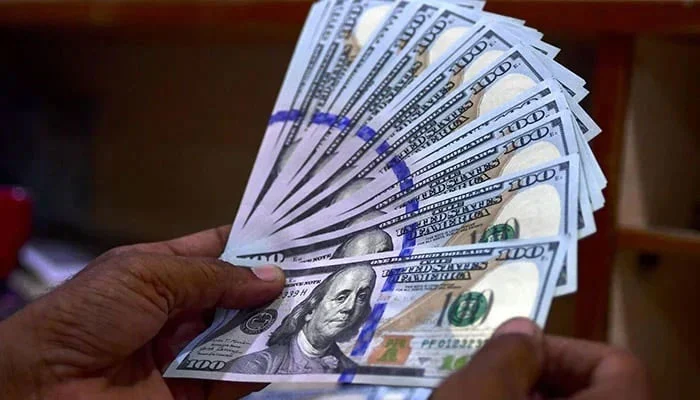
Pakistan has decided to repay a loan obtained from the United Arab Emirates (UAE), sources said on Friday.
According to the sources, Islamabad plans to return $2 billion to Abu Dhabi by the end of this month. The funds had been held as a deposit with the State Bank of Pakistan (SBP).
Officials said Pakistan was paying around 6% interest on the amount. Previously, the UAE would roll over the deposit annually, but in December 2025, it was extended first for one month and then for two months.
Sources further revealed that the UAE has recently requested the immediate repayment of the funds amid the evolving situation in the Middle East following the US-Israel conflict with Iran.
Earlier in February, the UAE had agreed in principle to a short-term rollover of a $2 billion deposit for just two months, The News reported.
The assurance came after Deputy Prime Minister Ishaq Dar contacted UAE officials this week. A senior official confirmed that the rollover would be valid until April 17, 2026.
Previously, the UAE had rolled over $2 billion for only one month, with $1 billion maturing on February 16 and the remaining $1 billion on February 22. The Pakistani government had initially requested a two-year rollover and later submitted a fresh request for an extension.
In January, the UAE had rolled over $2 billion for one month after maturity. A third tranche of $1 billion is scheduled to mature in July 2026.
Officials said the Abu Dhabi Fund for Development has placed a total of $3 billion with the State Bank of Pakistan in three separate tranches. Two tranches of $1 billion each matured on January 17 and January 23 and were rolled over for one month, while the third $1 billion tranche will mature in July and will be considered for rollover closer to that date.
For the current fiscal year, Pakistan is seeking rollovers of around $12 billion in external deposits, including roughly $9 billion from Saudi Arabia and China—$5 billion from Saudi Arabia and $4 billion from China—alongside the $3 billion from the UAE.
About the Author