
Chief of Defence Forces Asim Munir held a phone call with Donald Trump on Sunday, while Pakistani officials also helped facilitate back-channel communications between the United States and Iran, according to a report.
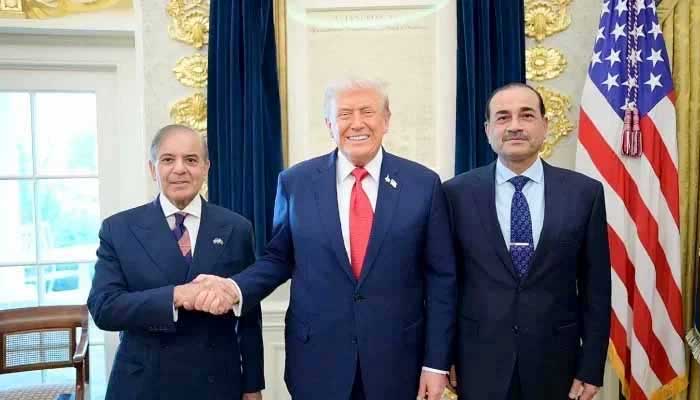
Pakistan is reportedly positioning itself as a key mediator, aiming to help broker an end to the conflict involving the United States, Israel, and Iran, according to Financial Times.
Chief of Defence Forces and Chief of Army Staff, Field Marshal Asim Munir, is said to have spoken with Donald Trump on Sunday, as reported by Reuters citing two individuals familiar with the call.
The report also claims that senior Pakistani officials have been facilitating back-channel communications between Tehran and Steve Witkoff, as well as Jared Kushner.
Trump’s recent decision to pause further military strikes on Tehran is being viewed by some as a result of Islamabad’s diplomatic efforts. Earlier, Trump announced a five-day delay on strikes targeting Iranian power facilities, just hours before a deadline that risked escalating tensions further into their fourth week.
In a post on his Truth Social platform, the US president described the past two days of talks with Iran as “VERY GOOD AND PRODUCTIVE,” expressing hope for a “COMPLETE AND TOTAL RESOLUTION OF HOSTILITIES IN THE MIDDLE EAST.”
Over the past 48 hours, Pakistan, in coordination with Turkey and Egypt, has reportedly played a key role in back-channel diplomacy, passing messages between the United States and Iran to help prevent further escalation and support regional stability.
The country’s involvement reflects the proactive leadership of Prime Minister Shehbaz Sharif and high-level engagement by Chief of Defence Forces and Chief of Army Staff, Field Marshal Asim Munir, underscoring Pakistan’s preference for dialogue over confrontation.
To ease rising tensions in the Middle East, PM Shehbaz and his government have maintained ongoing contact with regional and global leaders, working to encourage dialogue and promote a peaceful resolution. He also spoke by phone with Iranian President Masoud Pezeshkian, emphasizing the importance of diplomacy among neighboring countries and expressing Pakistan’s solidarity with the Iranian people amid the ongoing situation.
Analysts say this coordinated approach highlights how regional powers are prioritizing negotiation to reduce tensions. Pakistan’s balanced foreign policy has also drawn international recognition for maintaining constructive relations with key stakeholders while helping to limit regional instability.
As mediation efforts continue, reports from international outlets suggest progress toward a peaceful resolution. Meanwhile, the conflict—launched on February 28 by the United States and Israel against Iran—has reportedly resulted in over 2,000 deaths, disrupted global markets, raised fuel prices, and heightened concerns about inflation and wider geopolitical tensions.
About the Author