
Awais Leghari Warns LNG Halt Could Cause 1–2 Hours of Daily Load-Shedding in Pakistan
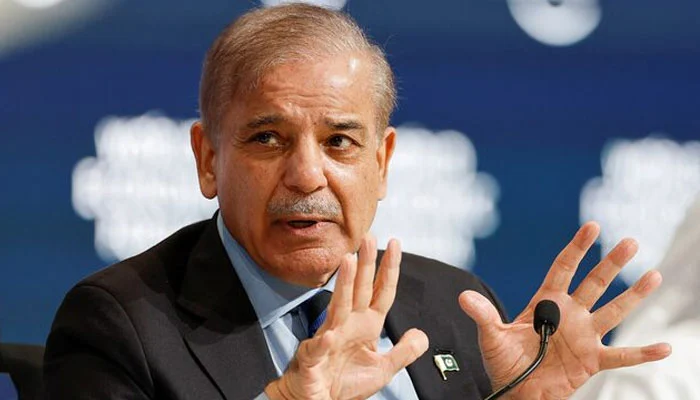
KARACHI: Pakistan’s increasing reliance on domestic energy sources—including solar and wind, nuclear, coal, and hydropower—has lessened the country’s exposure to global LNG supply disruptions, Federal Minister for Energy Awais Leghari told Reuters.
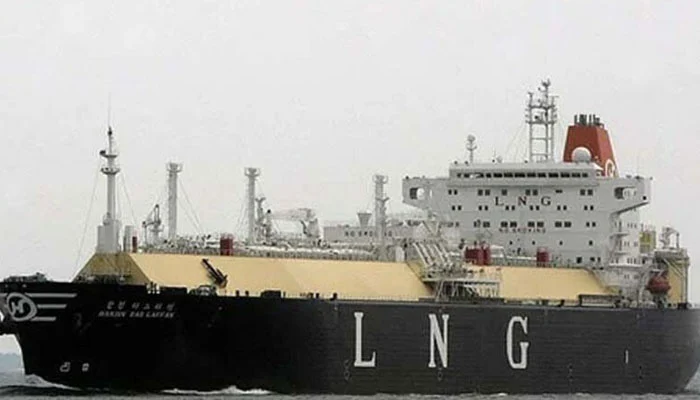
He noted that the ongoing Middle East conflict poses a risk to shipments from Qatar, the world’s second-largest LNG producer after the US, which supplies the bulk of Pakistan’s imported LNG used to fuel power plants during periods of peak electricity demand.
KARACHI: Pakistan has steadily increased its reliance on domestic energy resources, with about 74% of electricity now generated from local sources, Federal Minister for Energy Awais Leghari told Reuters. The government aims to raise this share to over 96% by 2034, he added, marking figures not previously reported.
Leghari credited the people-led solar revolution and earlier investments in nuclear, hydropower, and domestic coal for boosting the country’s energy self-reliance. Pakistan, which historically faced hours of daily load-shedding during peak summer demand, now enjoys surplus generation capacity thanks to added coal, LNG, and nuclear plants, slower demand growth, and a surge in rooftop solar installations, sometimes exceeding grid demand in certain hubs.
He noted that outages still occur, but largely due to theft, line losses, and financial constraints, rather than a shortage of power.
LNG Risk and Worst-Case Scenario
Qatar, the world’s second-largest LNG producer, halted production earlier this month, affecting Asian buyers, including Pakistan. LNG accounts for about 10% of Pakistan’s electricity, mainly used to meet evening demand peaks and stabilize the grid.
Leghari said that even if LNG supplies were disrupted or became prohibitively expensive, the impact on industrial or agricultural production would be minimal. However, prolonged shortages could trigger additional outages during summer, when electricity demand spikes due to air-conditioning.
“In a worst-case scenario, if LNG cargoes stopped for several months, Pakistan might face one to two hours of load-shedding during peak summer evenings,” he said, affecting some urban and rural areas but not industry or agriculture. The government is also developing battery storage to shift excess daytime solar to evening peaks.
Pakistan recently cancelled 21 LNG cargoes for 2026–27 under a long-term deal with Italy’s Eni as domestic power and solar growth reduced gas demand.
Clean Energy Growth
Currently, about 55% of electricity comes from clean sources, with plans to increase this to over 90% by 2034. Hydropower generates roughly 40 TWh annually, nuclear contributes 22 TWh, and domestic coal adds about 12 TWh, providing a substantial share of electricity without imported fuel.
Rooftop solar capacity has surged to over 20 GW nationwide, with behind-the-meter capacity estimated at 12–14 GW, potentially up to 18 GW, significantly reducing daytime grid demand. Hydropower output also rises in summer as river flows increase, adding up to 7,000 MW, helping meet higher electricity needs from air-conditioning.
Leghari emphasized that Pakistan will not invest in power sources that threaten energy security, focusing instead on indigenous clean energy over the next six to eight years.
About the Author