
Researchers have found that compounds in matcha may affect brain signals associated with sneezing.
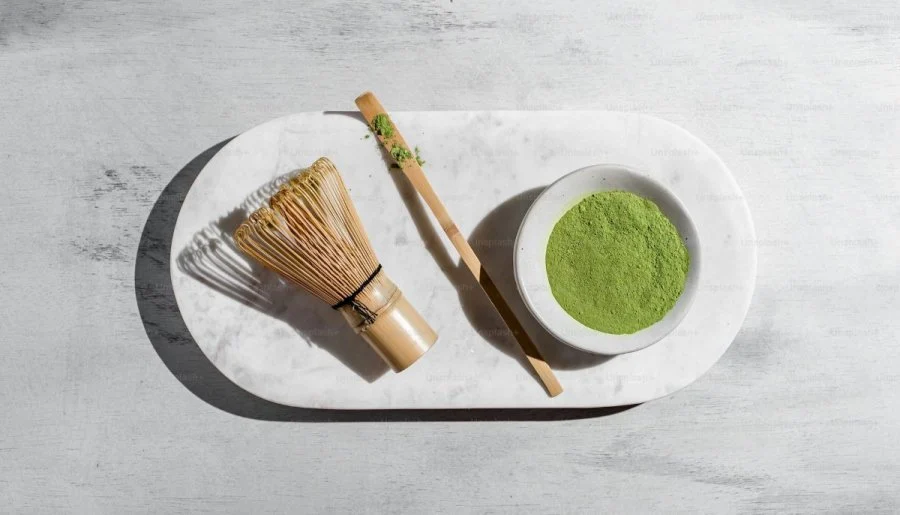
A new study suggests a possible connection between matcha and reduced sneezing, offering new insight into potential relief during allergy season. The research, published in NPJ Science of Food, explored how matcha influences allergy-like symptoms in mice.
Scientists from Hiroshima University, including professor Osamu Kaminuma, found that matcha may lower brain activity linked to sneezing while leaving normal immune system functions unaffected.
The study found that mice given matcha extract experienced significantly fewer sneezing episodes when exposed to allergens. The effects did not interfere with key immune responses involving IgE, mast cells, and T cells. Researchers also observed reduced activity in the brainstem region responsible for triggering the sneezing reflex.
Kaminuma stated, “We do not expect matcha to have a substantial therapeutic effect on allergy itself, although it may provide some symptomatic benefit by alleviating allergy-associated sneezing.”
Experts suggest that compounds in matcha, including catechins, epigallocatechin gallate (EGCG), and quercetin, may be responsible for these effects. Allergist-immunologist Catherine Monteleone of Rutgers Robert Wood Johnson Medical School noted that catechins may help reduce sneezing, nasal itching, and eye irritation.
Dietitian Keri Gans cautioned that the findings are based on animal research, adding that human studies are still needed before any firm conclusions can be made.
Sebastian Lighvani, an allergist at Northwell Lenox Hill Hospital, described the results as “fascinating,” noting that “matcha seems to abolish signalling related to sneezing.”
However, medical experts emphasise that matcha should not replace conventional allergy treatments. Monteleone said, “Green tea or matcha may not reduce all allergy symptoms, and other allergy medications may still be necessary.”
Baylor College of Medicine professor David Corry also advised moderation, saying, “The only note of caution is not to get too crazy with it and start drinking eight to 10 cups per day. Keep it limited to no more than two to three cups per day.”
While matcha shows potential in easing allergy-related symptoms, experts stress that further human research is required. Researchers also pointed out that the study used doses significantly higher than typical dietary intake.
About the Author