
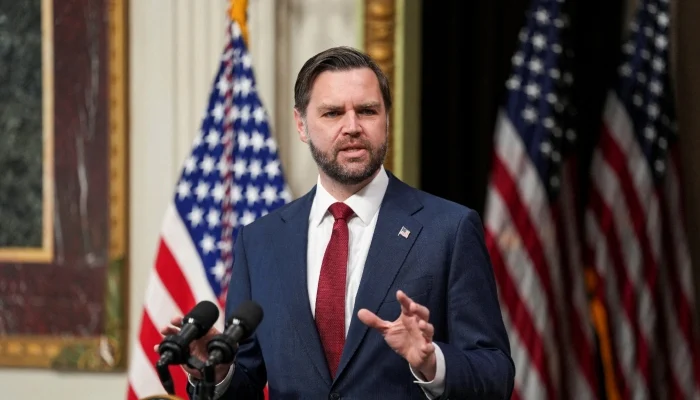
US Vice President JD Vance has been in contact with Pakistani intermediaries regarding the Iran conflict as recently as Tuesday, a source familiar with the matter told Reuters, highlighting his growing role in efforts to broker a ceasefire.
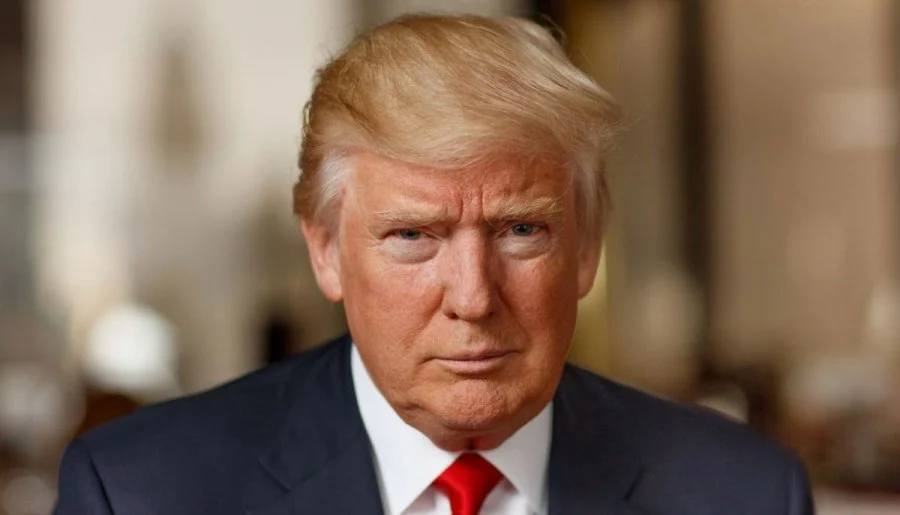
Acting on President Donald Trump’s instructions, Vance privately conveyed that Washington is open to a ceasefire—provided certain US conditions are met, the source said on Wednesday. He also delivered what was described as a “stern message,” indicating Trump’s impatience and warning that pressure on Iranian infrastructure would intensify if Tehran does not agree to a deal.
According to the source, Pakistan has been serving as a key intermediary between the United States and Iran.
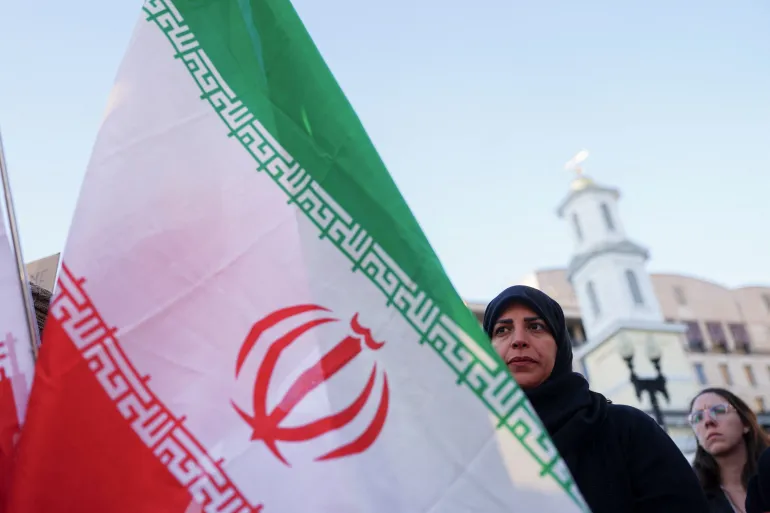
The conflict between the US, Israel, and Iran, which began on February 28, has now entered its second month, escalating tensions across the Middle East. Following the initial strikes, Iran blocked the Strait of Hormuz and launched retaliatory attacks on Israeli targets and US bases in the region.
The development comes as Pakistan steps up diplomatic efforts to help de-escalate the crisis. Islamabad has hosted senior officials from Saudi Arabia, Turkiye, and Egypt, while also facilitating communication between Washington and Tehran.
On Tuesday, Pakistan and China jointly called on the US, Israel, and Iran to halt hostilities and begin peace talks “as soon as possible.” The appeal followed a high-level meeting in Beijing between Deputy Prime Minister and Foreign Minister Ishaq Dar and Chinese Foreign Minister Wang Yi.
The meeting produced a five-point peace initiative, which called for an immediate ceasefire, the start of negotiations, protection of civilian infrastructure and shipping routes, and adherence to the United Nations Charter.
Vance has taken on a more prominent role in diplomatic efforts as the conflict enters its fifth week. Seen by many as a potential successor to Trump in the 2028 presidential race, he has adopted a cautious stance, reflecting his skepticism toward prolonged US military involvement abroad.
The source added that Trump’s core negotiation team—including Vance, Secretary of State Marco Rubio, and envoys Steve Witkoff and Jared Kushner—remains actively engaged.
While Trump has warned of possible strikes on Iranian infrastructure, he has delayed any action until April 6, leaving room for a potential agreement with Tehran.
About the Author