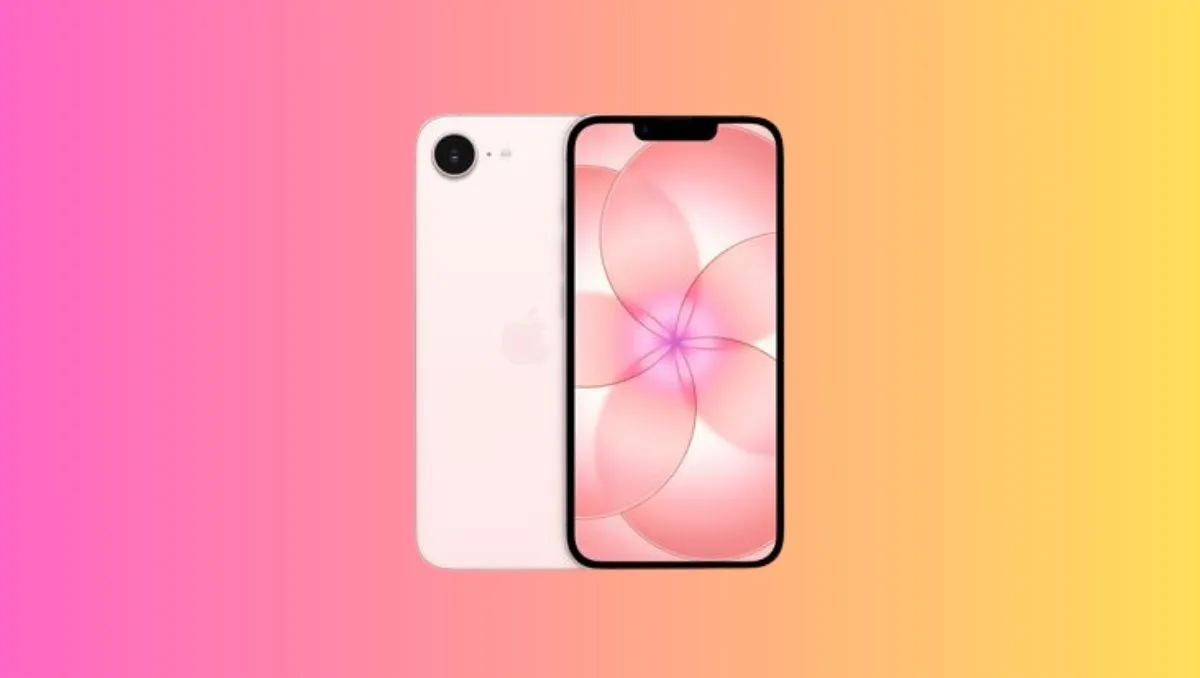

A new leak indicates that Samsung may introduce silicon-carbon batteries in the Galaxy S27, which could significantly improve battery life compared to previous models.
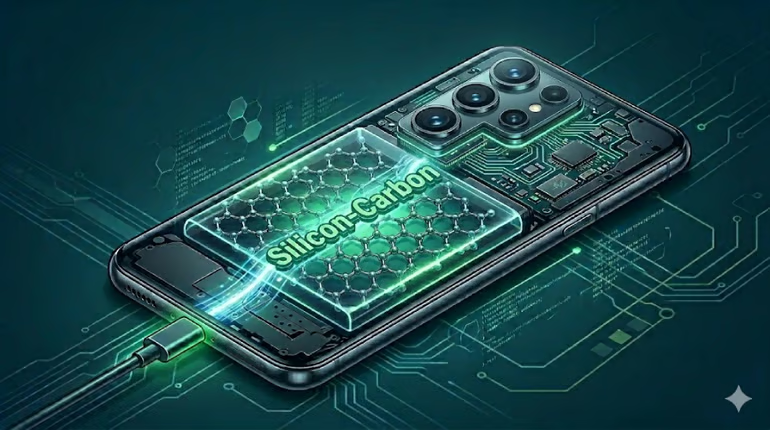
A recent leak suggests Samsung is testing silicon-carbon battery technology, which can offer higher capacity without increasing device size. The company had reportedly aimed to introduce this upgrade with the Galaxy S26, but durability concerns may have delayed it until 2027. If that timeline proves accurate, the Galaxy S27 could represent one of Samsung’s most significant hardware upgrades in years.
If successfully implemented, the Galaxy S27 could greatly reduce concerns around battery life, potentially making “battery anxiety” a thing of the past.
According to a tipster known as Schrödinger, the claim is backed by leaked internal files from Samsung SDI. These reportedly show engineers testing battery capacities ranging from 12,000mAh to 20,000mAh.
The report also suggests that Samsung initially planned to introduce this battery technology with the Galaxy S26 series. However, testing challenges appear to have delayed its launch to 2027, potentially aligning it with the Galaxy S27.
It further notes that while the silicon-carbon battery functioned during internal testing, it fell short of Samsung’s durability standards. The battery reportedly lasted around 960 charge cycles—an improvement, but still below the company’s target of 1,500 cycles, which is important given the extended software support period for its devices.
The race for silicon-carbon batteries
Most modern smartphones and computers rely on lithium batteries due to their balanced mix of energy density, safety, and cost. However, many manufacturers are now shifting toward silicon-carbon technology, which offers higher capacity. Brands such as Xiaomi, OnePlus, and Vivo have already begun using this material in select devices.
For instance, Xiaomi highlighted in its Redmi 15 Pro launch that the phone features a high silicon-carbon battery composition, boosting its capacity to 6,500mAh. While that figure is already impressive, silicon-carbon technology has the potential to deliver even greater capacity gains—something Samsung may soon showcase.
Leaked documents suggest Samsung is developing a large 12,000mAh battery using a dual-cell setup, with capacities of 6,800mAh and 5,200mAh. Despite the increase, these cells are expected to occupy the same space as traditional lithium batteries, allowing devices to remain slim while offering significantly improved battery life.
What it could mean for Samsung
As one of the world’s top smartphone makers, Samsung’s success with this technology could significantly reshape the industry. Modern flagship devices already use power-efficient processors, and combining them with much larger battery capacities could deliver a major boost in performance and endurance.
That said, Samsung appears to be catching up. According to reports citing leaker yeux1122, and shared by Schrödinger, Samsung’s Executive Vice President and Head of Smartphone R&D, Sung-Hoon Moon, has acknowledged that the company is currently behind in adopting silicon-carbon battery technology.
At the same time, other major players like Apple and Google’s Pixel lineup have yet to make visible moves in this space, even as the technology gains traction among several South Asian manufacturers.
If Samsung manages to launch a significantly larger battery without increasing the overall size of its devices, it could push competitors to follow suit—if they aren’t already working on similar solutions.
Meanwhile, Samsung continues to expand its reach in other areas, including bringing AI features to more affordable 5G smartphones, underscoring its broader strategy beyond premium devices.
About the Author