

The Power Division has cited fuel constraints as the reason behind a reduced electricity supply, as the government announced scheduled loadshedding.
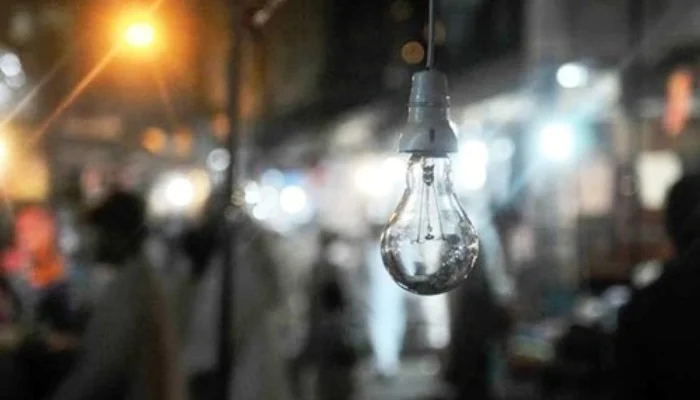
LAHORE: A significant gap between peak electricity demand and available generation has triggered sudden, unannounced power cuts, creating serious hardship for the public.
Although the government announced a limited load-shedding schedule on Tuesday to manage fuel shortages, the situation on the ground has been far worse, with actual outages reportedly two to three times higher than official estimates, The News reported.
In an effort to prevent a sharp rise in electricity tariffs and reduce reliance on costly imported fuels, the Power Division has announced a daily planned suspension of electricity for around 2.25 hours between 5 pm and 1 am.
However, consumer complaints suggest that the situation on the ground is far more severe, with urban areas experiencing three to four hours of outages and rural regions facing six to eight hours of daily load-shedding.
The worsening energy situation has become especially noticeable even in major cities. A resident of Lahore’s Walled City, Khalid Ali, expressed frustration over the irregular supply, saying he had already faced multiple one-hour outages during peak evening demand hours.
In other areas, residents report even more chaotic conditions. A citizen of Iqbal Town, Shafiq, described electricity being cut every 15 to 20 minutes after 8 pm, calling the situation unpredictable and disruptive to daily life.
The frequent interruptions have also raised concerns about damage to household appliances, while many residents say the situation has worsened sharply in the past 24 hours, leaving homes without water and basic services.
Officials maintain that the controlled load-shedding is necessary to manage fuel costs and avoid a steep increase in tariffs. However, for citizens enduring rising temperatures and prolonged darkness, the gap between official claims and ground reality continues to grow.
Adding to the crisis is poor coordination between electricity outages and municipal water supply schedules. Since water pumps depend on electricity, the irregular power cuts have left many neighbourhoods without water, with supply timings often coinciding directly with load-shedding periods.
As a result, what began as an electricity shortage has now escalated into a wider water crisis, leaving families struggling to meet basic needs such as hygiene and drinking water during the evening hours.
About the Author