

An international team of researchers has, for the first time, detected nitrogen-bearing organic compounds on the surface of lunar soil—offering new insight into how the fundamental ingredients of life may have moved through the early solar system.
By studying samples returned by China’s Chang’e 5 and Chang’e 6 missions, scientists from the Chinese Academy of Sciences, University of New Mexico, and Changsha University of Science and Technology traced how asteroids and comets likely transported organic material into the inner solar system. Their findings, published in the journal Science Advances, help close a long-standing gap in understanding how life’s chemical precursors reached Earth.
Unlike Earth, where geological activity and life processes have erased much of its earliest record, the Moon acts as a natural “time capsule.” With minimal geological change, it preserves evidence of ancient impacts from billions of years ago. Earlier studies of samples from NASA’s Apollo program identified organic materials containing carbon and hydrogen. However, nitrogen-bearing organics—commonly found in asteroid samples from missions like OSIRIS-REx and Hayabusa2—had not previously been detected on the Moon.
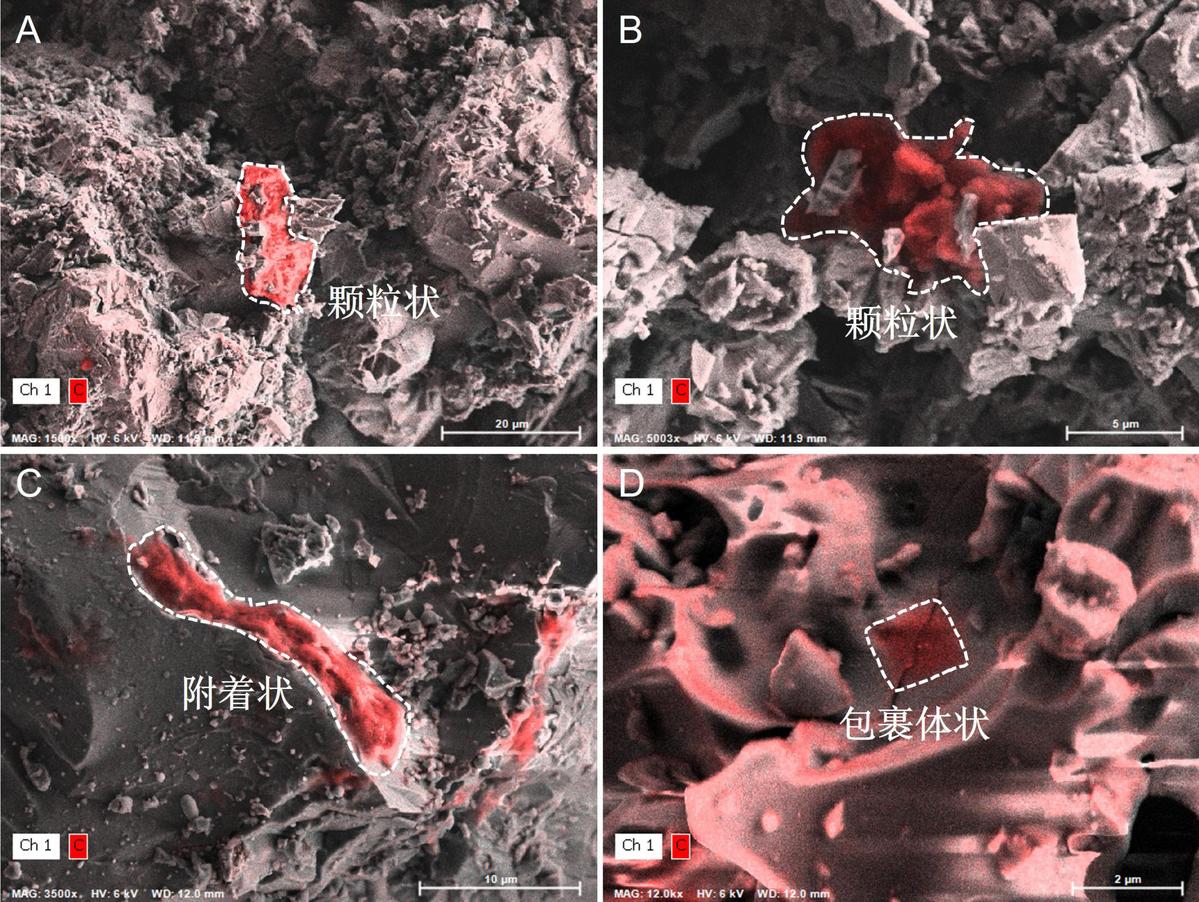
This new research provides missing evidence showing that organic materials are not only delivered by asteroid impacts but also chemically altered by them. Using high-resolution imaging and advanced light-based sensors, scientists discovered compounds composed of carbon, nitrogen, and oxygen. Unlike simple, inert carbon, these materials show signs of complex structural transformation.
In some samples, researchers identified amide functional groups—key components of biological molecules such as proteins. This suggests the materials underwent advanced chemical reorganization, bringing them closer in structure to compounds that could potentially support life.
Isotope analysis—often described as a chemical “fingerprint”—revealed that the lunar organics are lighter than those typically found in asteroids. This points to a process where intense heat from asteroid impacts caused the materials to vaporize and later settle back onto the Moon’s surface.
To rule out contamination from Earth, scientists searched for evidence of solar wind implantation, a process in which charged particles from the Sun embed themselves into the lunar surface over millions of years. The presence of these markers confirmed that the materials had long been exposed in space and were not introduced after returning to Earth.
Overall, the study outlines a complete lifecycle of lunar organic matter—from delivery by space objects, to transformation through impacts, and eventual modification by solar radiation. Researchers say the same methods will be applied to future samples from China’s upcoming Tianwen-2 mission, which is expected to bring asteroid material back to Earth by 2027.
About the Author